
New photography exhibition at Leeds Art Gallery explores a century of protest
Photography has the unique ability to capture a specific moment in a single image that tells a story, making an instant connection with the viewer. And since its origins in the 19th century, it has played a key role in documenting aspects of social history.
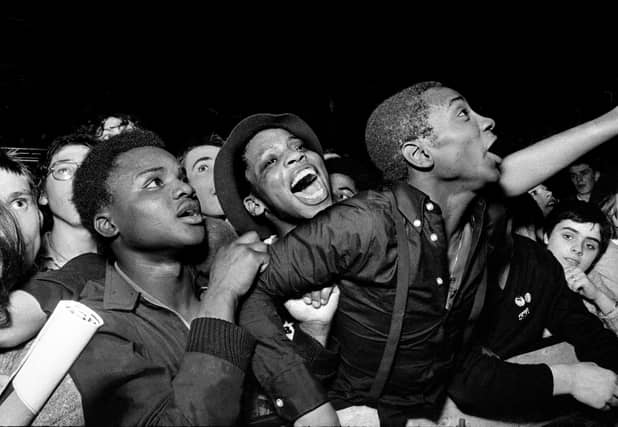


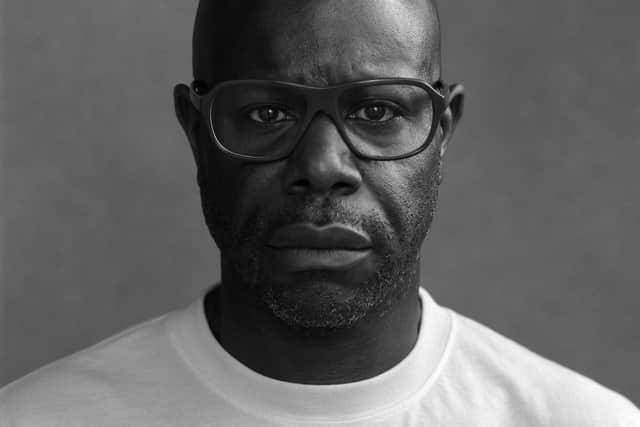
A new exhibition at Leeds Art Gallery, Resistance, explores this relationship in depth. The images on display cover the period 1903-2003, exploring a century of activism and dissent in Britain, beginning with the Suffragette movement in the early 20th century and ending with the 2003 march in London against the Iraq War, the largest protest in British history. The show was conceived by internationally acclaimed artist and filmmaker Steve McQueen and was curated in collaboration with Clarrie Wallis of Turner Contemporary Margate, where it was first staged last year. It has since travelled up to Edinburgh prior to arriving in Yorkshire earlier this month.
“I wanted to bring the exhibition here because I felt it would really resonate with our audiences,” says Jane Bhoyroo, principal keeper at Leeds Art Gallery. “Leeds is a city that has a long history of protest and activism and we have added in a number of images that refer specifically to Leeds to show how it fits into the national picture.” These include powerful photographs of the Reclaim the Night marches organized by women in Leeds in the 1970s during the period when serial killer Peter Sutcliffe was still at large, and the Rock Against Racism events held in Potternewton Park in Chapeltown in the early 1980s.
Subtitled How Protest Shaped Britain and Photography Shaped Protest, the exhibition features around 150 works by 40 photographers, some of whom are well-known – such as Fay Godwin, Vanley Burke, Humphrey Spender, Christine Spengler, Andrew Testa, Paul Trevor, Henry Grant and Janine Wiedel – alongside lesser-known photographers. Some are press photographs, others were taken by participants in the protests, unknown photographers, members of the communities being photographed or are surveillance images, and several have never been on display before.
The show took four years to prepare and research. Working with archivists, collections and libraries, McQueen and Wallis looked through thousands of images to make their selection. The photographs, which highlight untold stories, overlooked histories and marginalized voices, show people protesting and marching for or against a wide range of diverse issues including war, nuclear weapons, resisting fascism, votes for women, poverty and unemployment, workers’ rights, LGBTQ+ rights and disability rights and protecting the environment. The protests which feature represent pivotal moments – such as the Battle of Cable Street in the East End of London in 1936 against Oswald Mosley’s fascists, the Jarrow March for jobs in the same year, the Blind March of 1920, Greenham Common’s peace camps of the 1980s, and the Black People’s Day of Action following the New Cross fire in 1981. The exhibition also highlights the intersection between some of the movements and the circularity of history, as well as charting the development of photography over the course of a hundred years. “It looks at the construction of images as propaganda, for example, and who the photographs were originally intended for,” says Bhoyroo. “And the show concludes when it does in the early 21sst century so that the focus is on moments captured before digital cameras and smartphones became widespread.”
The chronological journey is divided into sections or chapters under headings – they include Suffragettes and Social Change, Confronting Fascism, Beyond Empire, Strikes and Solidarity, Common Ground and Fighting the Nuclear Threat – in each bringing together photographs from different decades, highlighting how movements have developed, endured and learnt from each other. All the images are black and white, mounted against white within a black frame and all are of a similar small-scale size, drawing the viewer in to closely observe the subject. It is a potent experience which invites you to engage emotionally as well as intellectually. “The exhibition reminds us of the power of acting collectively and resistance through joy,” says Bhoyroo. “It is really inspiring to see how people coming together can make change, and the risks that people are prepared to take in the hope of a better future.”
It is a show that merits multiple visits – I will certainly return – and leaves the viewer with plenty of food for thought. Timely and resonant, it speaks eloquently to today and presents an uplifting, inspiring, hopeful message about solidarity, humanity and the power of both collective and individual action.
Steve McQueen: Resistance – How Protest Shaped Britain and Photography Shaped Protest is at Leeds Art Gallery until April 25, 2027. Open Tuesday-Sunday.