
Situation Leeds art festival returns to the city after nearly 20 years
Back in 2005 in Leeds a new festival was born. The idea behind Situation Leeds was to create a city-wide platform for local artists to share their work, try out new ideas, connect with each other and with audiences in non-traditional spaces.
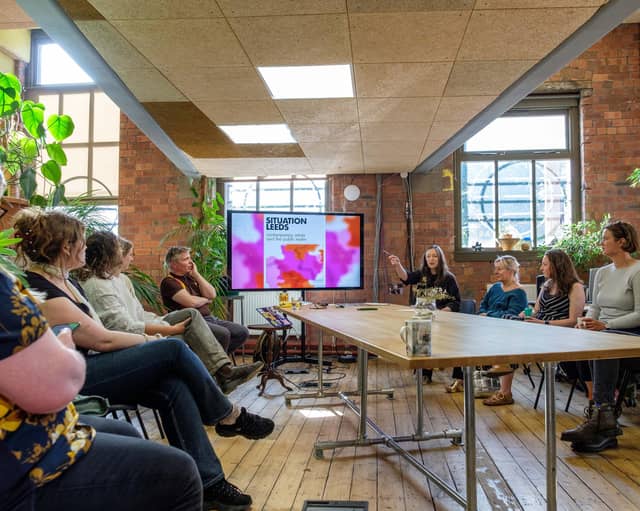


That first festival was a success bringing together over a hundred artists across 60 events in more than 30 venues across the city. The aim was for a biennial event and two years later another festival was staged which proved equally popular with artists and audiences. However, 2007 was also the year that saw the beginning of the global financial crisis and due to lack of funding plans for the next festival were put on hold.
Now nearly twenty years later, Situation Leeds returns to the city this month. In May last year Yorkshire and Humber Visual Arts Network (YVAN) organized a series of talks inviting artists in Leeds to discuss issues around exhibition space and networking. “I was involved in the first two festivals as an artist and I attended the talks hosted by YVAN last year which were really interesting,” says artist and academic Dr Helen Clarke, a lecturer in the School of Design at the University of Leeds, who is a member of the festival steering group and network lead. “There were some really interesting conversations about what we could do as artists collectively that we couldn’t do alone. There are some great things going on in Leeds in the visual arts but they are not necessarily very visible. We started to organize monthly network meetings and continued to talk to people and we realized that there was an appetite to do another festival.”
Subscribe to the YP’s Lifestyle newsletter
They put out a call-out in early January with a deadline for the end of the month and the response was impressive. “We received 70 proposals which was pretty amazing within the short time-frame,” says Clarke. “We then began to match artists with venues and started planning the festival. We have basically turned the whole thing around in 12 months.”
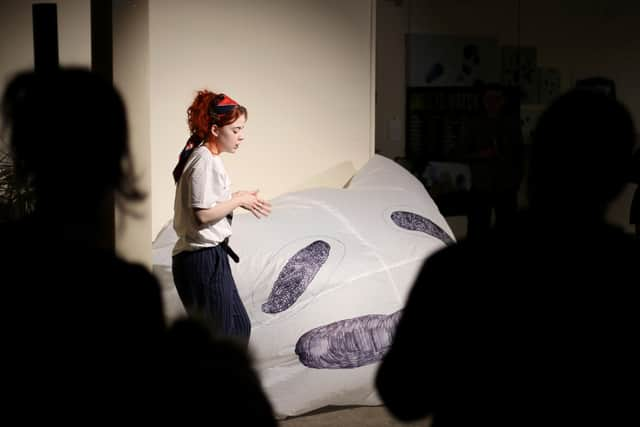
The festival is grassroots and artist-led, bringing contemporary art into the public realm for everyone to enjoy. The programme offers a very broad range of work including exhibitions featuring painting, drawing, sculpture, printmaking, photography as well as live performance, film and sound works. There are around 44 events providing a diverse showcase of the kind of creative activity that is happening around Leeds. There are around 30 participating venues including White Cloth Hall, Hyde Park Picturehouse, Hyde Park Book Club, Leeds Playhouse, Space@Design, Kirkgate Market, MODA and a number of hospitality venues.
“All of the artists are from in or around Leeds and much of the work is related to Leeds in some way,” says Clarke. “There is a documentary photography exhibition, for example, by photographer Dan Commons who has been working with the residents of Armley looking at its history as a post-industrial area of the city. There was an asbestos factory there where many local people worked and the project also explores the impact of that on their health and on the environment.”
There are two strands to Situation Leeds, the networking, which is ongoing and self-organised, and the festival, both are beneficial in different ways. “The benefit for the artists is the ongoing dialogue with other artists, sharing knowledge and supporting each other,” says Clarke. “The benefit of the festival is having the opportunity to share your work with a wider public, connecting with new audiences and exhibiting in the place where you live, not having to go elsewhere. That is one of the important things we are addressing – keeping our creatives in the city.”
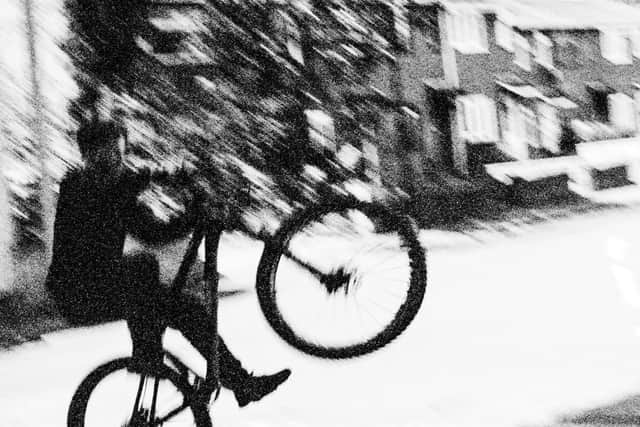
With workshops and a number of participatory arts projects specifically inviting people to get involved featured in the programme, the festival aims to engage audiences in direct and meaningful ways, creating opportunities for people to encounter art in unexpected everyday places. Going forward the hope is that the festival will become a regular event. “Once this year's event has finished, there will be a period where we will evaluate the project and think about how we can make it sustainable,” says Clarke. “We want people to know about all the exciting things that are going on in Leeds and the aim would be to keep the festival going, potentially returning to the original biennial model.”
The core programme of Situation Leeds takes place May 11-24 in venues around the city, with activity continuing through May and June. Most events are free. For details visit situationleeds.org/festival