
Interview with Doncaster-based poet Sarah Wimbush whose collection Strike has been shortlisted for the Forward Prize
This year is the 40th anniversary of the 1984/5 miners’ strike, one of the longest-running and most divisive industrial disputes in British history which has left a lasting impact on the communities involved.
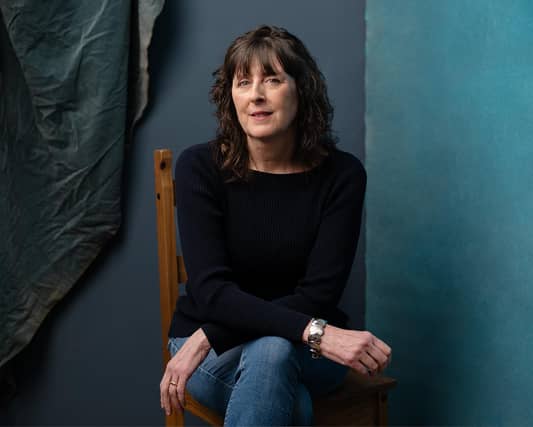


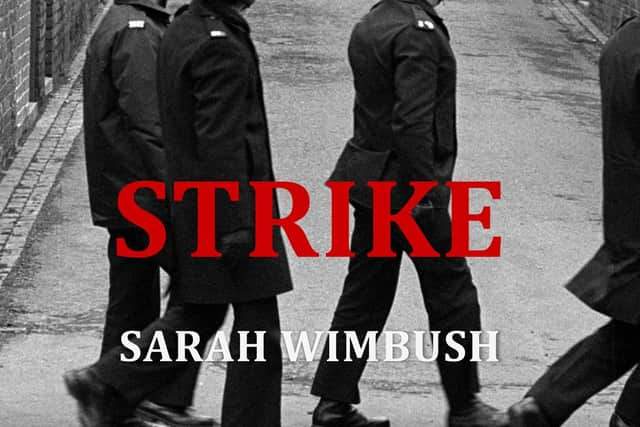
To mark this significant anniversary a new poetry collection, Strike, by Doncaster-born and based poet Sarah Wimbush was launched in January at the National Coal Mining Museum near Wakefield. Last month it was announced that the collection has been shortlisted for the prestigious Forward Prize.
A visceral portrait of the strike forty years on, the collection is a poetic response to photographs taken at the time, some well-known others previously unseen, which are shown alongside each poem. The poetry is powerful, raw, often very moving and full of righteous anger, forcefully and unflinchingly conveying the hardship faced by the striking miners, their families and the wider community. “I think many people have no concept of what it was like to live in those communities and the devastating effect the strike had, so I felt it was something I had to write,” says Wimbush. “I think it had probably been percolating for some time without me consciously knowing it.”
The author of two prize-winning pamphlets – The Last Dinosaur in Doncaster (2021) and Bloodlines (2020) – and a debut collection Shelling Peas with my Grandmother in the Gorgiolands published in 2022 to deserved acclaim, Wimbush has a direct, personal connection with mining – several generations of her family worked in the coal industry both on the surface and underground. “My dad wasn’t a miner but both my parents grew up in pit villages,” she says. “I was about 18 during the strike, living on the border between Nottinghamshire and south Yorkshire, and I remember it very well – it was part of the fabric of our life. You could see it was a fight that would just get bigger and more difficult, that it was a massive shift and it was going to impact on the lives of a lot of people.”
Don’t miss out - stay up to date with our lifestyle newsletter
While Wimbush’s poems don’t sugarcoat the harsh reality of the strike – they include three poems dedicated to the horror and brutality of The Battle of Orgreave, others that describe children scavenging for bits of coal, men standing in line at the soup kitchen and waiting to receive hardship money, a poem in memory of those who died – but there are moments of warm humanity too. In Kick-off striking miners and police officers in Nottinghamshire enjoy an impromptu game of football (‘Boys again, out on the Rec/kicking to win. While in the belly of England/the strike to end all strikes erupts’), Pits and Perverts celebrates the concert organized in London by Lesbians and Gays Support the Miners (‘queens and kings of the underground,/hand in hand across the divide/no surrender, forever proud.’) while The Kiss features a Scottish police inspector giving an injured picket the kiss of life (‘a blue breath/offering the universe/inside a Morabito kiss’).
Wimbush was keen to include aspects of the strike that are not as well known or reported on as often in the media, both at the time and since. “I find there is often a particular angle,” she says. “There is a lot of emphasis on picket line violence and not much about the women running the soup kitchens and organizing rallies, or the support from the LGBT community, so it was important to me to make sure they were represented too.”
Having come to writing later in life – she began in earnest around 15 years ago and was spurred on by winning a short story competition run by the Yorkshire Post and Bettys in 2011 – Wimbush would like the collection to be accessible and encourage others to put pen to paper too. “I want people from all walks of life to be able to read this,” she says. “I hope it might inspire them to write poetry themselves and that it will appeal to people who are interested in the subject but who might not usually read poetry.”
Wimbush says she is “thrilled” to have been shortlisted for the Forward Prize, not just for herself, but mostly for the communities she is writing about. “It will shine a light on a community that was vilified, traumatized and left to suffer the consequences of pit closures with very little support, which continues to impact today. I did an event last year where I read some of these poems and a woman came up to me afterwards to thank me. She was absolutely distraught. She said she was from Frickley and told me she left after the strike and never went back because it was too painful. It definitely left a mark on those communities.”
Strike is published by Stairwell Books. Sarah Wimbush will be reading at FEVA Life Stories, Knaresborough on August 14. The Forward Prize Awards are announced on October 10.