
New Barbara Cartland biography celebrates the woman behind the pink chiffon
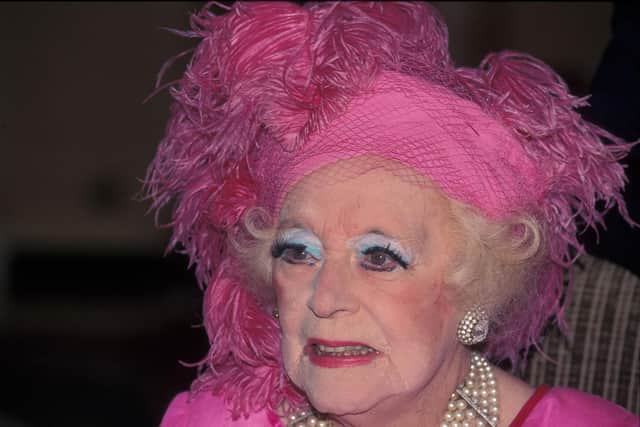
For most of us, the name Barbara Cartland probably conjures up an image of flowing pink chiffon dresses, stiffly coiffed white hair and extravagant false eyelashes. The romantic novelist was one of the bestselling authors of all time – she is at third place behind Shakespeare and Agatha Christie – yet during her lifetime she was often seen as a figure of fun.
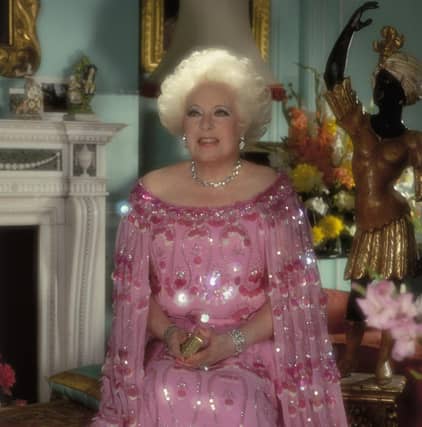


A new book by author, journalist and broadcaster Matthew Sweet, The Great Dictator: A Life of Barbara Cartland, challenges the reductive notion of her as ‘the Queen of Romance’ and aims to reveal the woman behind the powder and mascara. The title of Sweet’s book, which he will be discussing this weekend at Ilkley Literature Festival, refers to the fact that famously Cartland would dictate her novels to her secretary while reclining on a sofa, often cradling one of her pet dogs under her arm. It is easy to see why she was ripe for parody, but Sweet feels that she is someone who should be taken seriously – and in his book he does her the courtesy of acknowledging her success and outlining her many achievements.
She was incredibly prolific. She penned 723 books, selling hundreds of millions of copies worldwide, and aside from her romantic fiction she also wrote plays, non-fiction books including biographies, operettas and several health and cook books. “She was hugely successful yet she remains somewhat overlooked,” says Sweet. “It just struck me that no-one had ever really written a proper biography of her and it was such an interesting story. I had a look at some of her memoirs and every single turn of her life is so surprising. She lived a life where she never paused for breath.”
Subscribe to the YP’s Lifestyle newsletter
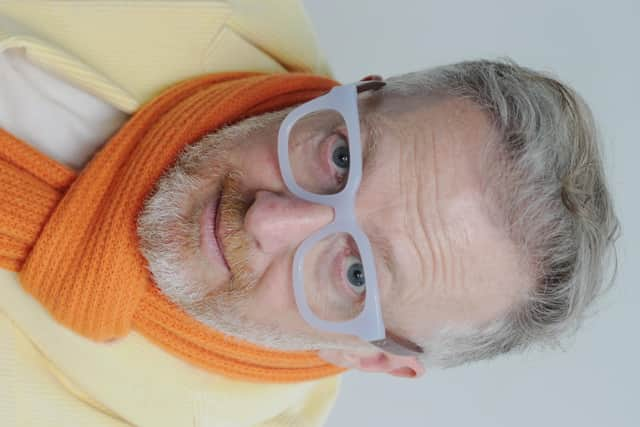
Sweet was given extraordinary access by Cartland’s family to her home Camfield Place near Hatfield in Hertfordshire and all her papers including letters, diaries and manuscripts. “It was amazing – I was given pretty much free rein in the house which has been virtually untouched for the best part of a quarter of a century,” he says. “I was given permission to explore this vast literary archive, I think it could be one of the biggest in Britain. I was opening cupboards and blowing cobwebs off documents that people hadn’t seen for years. It really was a one-off research opportunity.”
Cartland’s long life spanned almost the entire 20th century – she was born in 1901 and died in 2000 – which means that her story incorporates a rich strand of social history. “She wasn’t insulated from the upheavals of that century,” says Sweet. “Her father was killed in the First World War; her first husband was wounded at Passchendaele and she lost both her brothers in the Second World War.” With almost an entire generation of young men wiped out in the Great War, Cartland was one of the so-called ‘surplus women’. Her early novels – which were contemporary fiction not romance – dealt with some of what she had lived through and the losses she had experienced. “Those books were so autobiographical it was almost like reading diary entries,” says Sweet. “They were all animated by her own trauma.”
Apart from her writing Cartland was also busy in many other areas as a young woman. “She had tremendous energy and was scarily tireless in everything she did,” says Sweet. “She was a Conservative councillor for a while and fought for Romany and Traveller rights, during the Second World War she set up a wedding dress library, where women could borrow a dress for free, for brides on army bases. And we might think of her as being unreflective but she had esoteric interests such as meditation and spiritualism. That side of her wasn’t mentioned in the obituaries.”
While she was driven and ambitious, Cartland doesn’t seem to have taken herself too seriously. “She had a sense of humour and was well aware of the jokes that were made about her,” says Sweet. “She used to buy up all the caricatures that were made of her. And she was a skilled self-publicist. Her image, which she created and controlled, was disseminated everywhere and there was merchandise including perfume, wallpaper and cushions.”
Sweet hopes that his book will encourage people to view Cartland in a different way and reassess her legacy. “We don’t think of her as worthy of serious attention but I think she deserves that,” he says. “She deserves some sort of mention in the history of the English novel and a place in wider conversations about the 20th century.”
The Great Dictator: A Life of Barbara Cartland is out now. Matthew Sweet will be appearing at Ilkley Literature Festival on October 3.Some of Cartland’s dresses and jewellery will also be on display. ilkleyliteraturefestival.org.uk