
New book exploring the connections between classical music and pop
Rightly or wrongly, classical music is viewed by many people as something that is not for them. It could be the perceived ‘rules’ of the concert hall or the expectation that you need specialist knowledge in order to enjoy it, but the boundary between classical and pop music may not be as solid as it might sometimes appear.



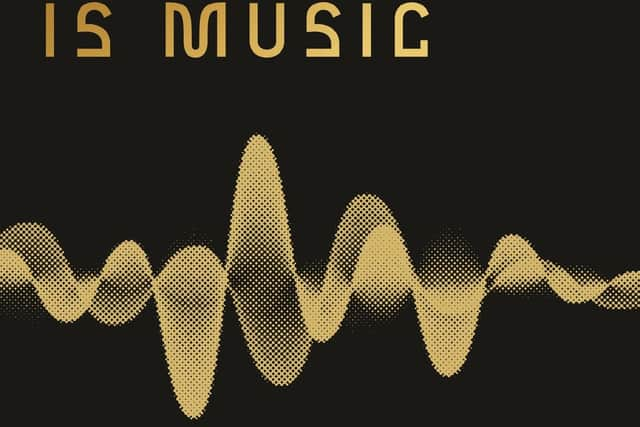
A new book by journalist and BBC Radio 3 presenter Elizabeth Alker, who is based in Hebden Bridge, aims to challenge some of the preconceptions around classical music. Everything We Do is Music: How 20th-Century Classical Music Shaped Pop was published last month and has already, deservedly, received very positive reviews.
Alker’s experience as a rock music journalist and broadcaster – she began as a reporter on Dazed & Confused magazine, then became a researcher, reporter and presenter for BBC Radio 6 Music before moving to Radio 3 where she hosts Unclassified and the afternoon show Classical Live – makes her the perfect guide to lead the reader through the links between pop music and the classical canon.
“When I was a rock music journalist and I was interviewing musicians and bands, the same names – John Cage and Pauline Oliveros, Karlheinz Stockhausen and Steve Reich, all contemporary classical composers – would be mentioned as influences,” she says. “When you spend time at Radio 3 you learn a lot about Reich, Stockhausen and Oliveros and at 6 Music about ambient music but I couldn’t probably explain at length what the connection was. So, I thought now is my chance to find out.”
Our Lifestyle newsletter is a great weekend read
Alker’s musical upbringing – she grew up learning to play the clarinet, recorder and piano – also helped to shape her own approach and attitude to different genres of music and owes much to her parents, to whom the book is dedicated. “They are both classically trained pianists and music teachers and they were teenagers in the 1970s,” she says. “We were brought up with all kinds of music at home and as a child I never really thought about the difference between classical and rock music because I heard both all the time. I did know that I liked classical music for its complexity and that some of the pop music I listened to sometimes had that. It felt like a lot of things came together for me to write the book.”
It’s a fascinating read, very accessible and it opens up all sorts of sonic avenues for people to explore. “I don’t think that classical music is stuffy,” says Alker. “I believe that it deserves a reverence – it has so much history and weight to it – but it is for everybody to enjoy. That is part of the goal with this book. There is a quote that I’ve included from Steve Reich which sums it up, really, he says: ‘Good music is good music.’”
The book features interviews with Paul McCartney, Steve Reich, Nils Frahm, Soweto Kinch, Jonny Greenwood of Radiohead, Jean-Michel Jarre among many others, as well as associates of contemporary classical composers who are no longer with us. Alker shines a light on unexpected links – including between Stockhausen and disco diva Donna Summer, German electronic band Kraftwerk and Russian composer Shostakovich, the experimental No Wave movement and Sonic Youth.
One of the most interesting connections she makes was a link she discovered between the Beatles and electronic music pioneer Delia Derbyshire of the BBC Radiophonic Workshop, probably best known for producing the iconic Doctor Who theme tune. “Paul McCartney was so inspiring, he described the Beatles as ‘the day job’, alongside which he was always thinking about ways they could change and develop their sound. He told me that he went to visit Delia Derbyshire and they talked about doing an electronic version of Yesterday. Sadly, it never happened.”
Alker hopes that her book might encourage people to move out of their musical comfort zone and perhaps give classical music a try, if they haven’t before. It also, she says, might add an extra layer of resonance and meaning to music that is more familiar. “What was interesting during the writing of the book was that I started to like the pop music I liked even more because I was finding out about its origins, so it might enhance readers’ enjoyment too. I think when we’re young, we are inspired by the pop music we listen to. I believe it can be an ongoing journey of discovery; I hope the book might enable people to reach out to something new.”
Everything We Do Is Music: How 20th-Century Classical Music Shaped Pop, published by Faber, is out now. Elizabeth Alker appears at the Halifax TOWN festival of words and music on October 11 at the Grayston Unity pub in Halifax.