
Film Pick of the Week: September 5 - review by Yvette Huddleston
September 5 Netflix, review by Yvette Huddleston
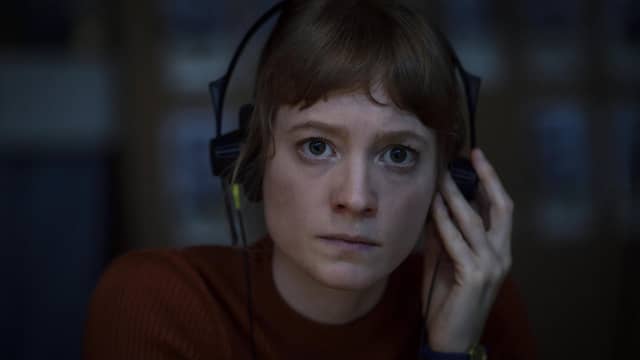


This taut movie from Swiss director and co-writer Tim Fehlbaum dramatizes events around the shocking kidnapping and massacre that took place at the 1972 Olympic Games in Munich when a group of Israeli athletes were taken hostage by the Palestinian Black September group.
The film is set inside the control room of American broadcaster ABC’s sports division who are in West Germany proudly relaying coverage of the Games live to viewers back home and around the world for the first time thanks to state-of-the-art satellite communications. The team, headed up by veteran sports TV executive Roone Arledge (Peter Sarsgaard), experienced sports producer Marvin Bader (Ben Chaplin) and his ambitious protégé studio director Geoffrey Mason (John Magaro), are putting in long hours, working in shifts to capture a wide range of sporting highlights.
As the film opens, the evening shift is coming in. During the night the skeleton crew hear what they think might be gunshots – this is only 27 years after the end of the Second World War and it is a sound that is familiar to many – and a local young production assistant recruited to act as translator Marianne Gebhardt, (a fictionalised character played by German actor Leonie Benesch) goes to investigate. It soon becomes apparent that a tragic situation is unfolding and that the sports team are going to have to pivot and become, without any previous experience, live news reporters. They have to improvise and make high-stakes editorial decisions at a moment’s notice and don’t always get it right.
When the hostages are moved from the Olympic village to the airport under armed police escort, Marianne plus a cameraman and a sound operator are instructed to follow. Calling from the airfield at one point, Marianne tells Mason that there are rumours the hostages are free, Mason, under pressure from Arledge and despite strong advice from Bader not to release the news until receiving confirmation from at least two other sources, goes ahead and broadcasts it live.
The narrative largely leaves the politics aside to focus tightly on what is happening within the control room while exploring the ethics of journalism. Differing approaches are represented through the characters and ways in which they respond to the unfolding story and how to report on it. There is an element of competition that the script doesn’t swerve from depicting – the producers know they are sitting on a scoop here and are not about to let anyone take it away from them.