
Andy Burnham can turn early promise into lasting prosperity by working with business: Olga Watterich
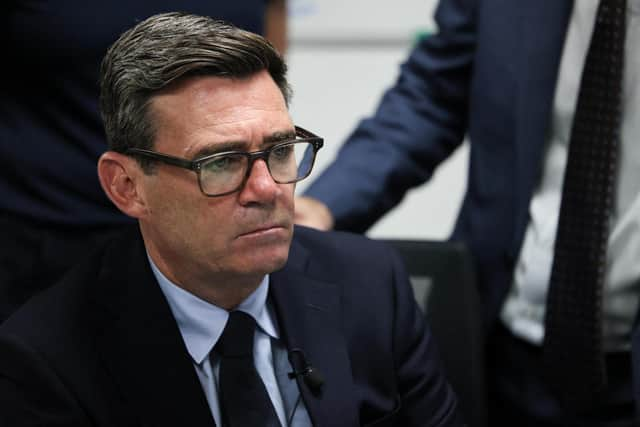
In his first two weeks as Prime Minister, Andy Burnham has undertaken something of a policy blitz - hitting the ground running with a series of significant announcements.
These include plans to deepen devolution by providing mayors with more predictable funding settlements, support for pubs, clubs and live music venues through business rates relief, and a renewed focus on tackling youth unemployment through additional funding for college places and bursaries to improve access to training.
While businesses are still catching their breath from the speed of announcements, they can at least reflect on the positive direction of travel.
Plans to give mayors more predictable funding to support local growth and investment will be welcome, particularly here in Yorkshire and the Humber.

As ever, detail and delivery matter, and the success of any new model will depend on ensuring it rewards genuine growth, provides local flexibility, maintains strong accountability and avoids creating additional burdens for employers.
Expanding access to training and reducing financial barriers for young people is also welcome and will help create opportunities across the country. But it is important to recognise that skills policy only works if employers are in a position to create jobs, apprenticeships and training opportunities in the first place.
That means government must start putting in the hard yards now to lower the cost of doing business.
It’s a similar story for pubs, clubs and live music venues, who continue to face extreme cost pressures. These businesses play a vital role in local economies and are a key part of the social fabric of our communities, including here in Yorkshire and the Humber. While those targeted reliefs are welcome, we can’t lose sight of the need for wider reform.

The UK’s business rates system remains one of the most burdensome property tax regimes in the developed world and feels more geared to penalising investment than rewarding it.
That points to the broader challenge facing the new government. The new Prime Minister has spoken consistently about making Britain better off by improving living standards, reducing inequality and spreading prosperity more evenly across the country. Business shares those ambitions. But achieving them depends on creating the conditions for firms to invest, expand and create jobs.
When costs rise for employers, it affects their ability to invest, recruit, innovate and raise wages. Businesses create jobs, develop skills and generate the prosperity that enables places and communities to thrive. That is why the distinction between the cost of living and the cost of doing business is ultimately a false one.
The CBI has been clear about what comes next. The government must protect the foundations of business confidence, accelerate delivery in areas such as planning, infrastructure and skills, and address the barriers that are holding back investment and growth. We cannot afford further drift or delay.
The opportunity facing the new Prime Minister is significant. If the government can work in genuine partnership with business to lower the cost of doing business and unlock investment, it can turn early promise into lasting prosperity in Yorkshire and the Humber and across the UK.
Olga Watterich is CBI deputy regional director for Yorkshire and Humber