
Andy Burnham urged to 'back British food' with green light for new chicken farms
Incoming Prime Minister Andy Burnham has been urged to give his backing to British food producers by ensuring new chicken farms get the green light amidst mounting frustrations about rejected applications.
Estimates suggest the country needs 1,000 new poultry sheds to meet both demand and animal welfare requirements, with more than £1bn of potential capital investment tied up in the planning system.
Legal requirements on minimising ammonia emissions were substantially tightened by Natural England in 2022 - making it more difficult to obtain planning permission from councils and gain environmental permits from the Environment Agency. Nutrient pollution from poultry production has also affected rivers, most notably the Wye and its tributaries in England and Wales, prompting legal action and calls to prevent any further expansion of intensive chicken farms in at-risk catchments.
But this has been combined with growing need for space due to rising consumer demand, animal welfare measures designed to give chickens more room and ageing existing facilities.


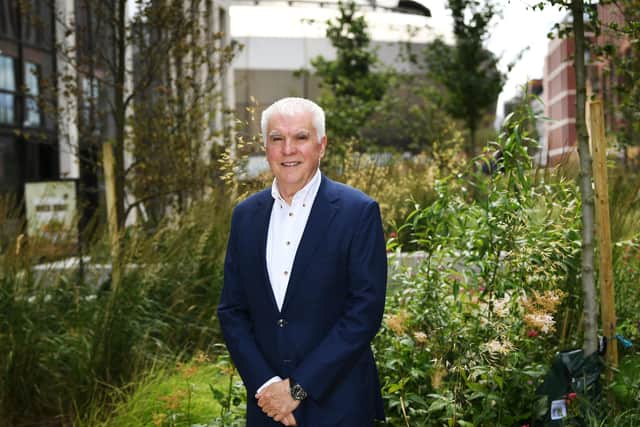
Tim Smith CBE, chair of Yorkshire meat producer Cranswick and one of the country’s leading food supply experts having previously led the Food Standards Agency and held senior roles for the likes of Tesco, told The Yorkshire Post repeated rejections are making it hard to deliver on Government aspirations for more home-grown food and economic growth.
Cranswick produces seven per cent of British chicken but a new report has warned it is “increasingly difficult” to meet growing demand and the country is becoming more reliant on imports from places like Thailand and China.
Asked what his message to Mr Burnham would be, Mr Smith said: “We know that ministers and senior officials are serious about wanting growth and serious about wanting preparedness for any kind of eventuality, so we need lots more British food. What you need to do as a government is to help us by making sure that the machinery of government you've got acts in the same way as your principles and your policy decisions.”
Last year, a Cranswick application to expand an existing site in Norfolk to house 714,000 chickens and 14,000 pigs was rejected due to environmental concerns. A previously-approved scheme in Shropshire for 200,000 birds was overturned on appeal last year on environmental grounds. Several similar applications in Yorkshire are awaiting planning decisions.
British Poultry Council chief executive Richard Griffiths has recently warned more than 100 poultry farm applications are “in limbo”.
Environment Secretary Emma Reynolds admitted this week that getting planning permission was a “barrier to growth” after being challenged by Environment, Food and Rural Affairs committee chair Alistair Carmichael about the situation, who criticised a “lack of urgency” in resolving the matter.
He said: “Farmers are telling me, especially in poultry, that they can’t get planning permission.”
She replied: “We are looking to sort it and you are right to be impatient for change. I would like to see change happen more quickly. We know there is significant investment out there waiting to be made, if only the circumstances were better.”
Mr Smith said the company does not wish to change environmental impact assessments or the need for mitigations to meet local concerns about specific applications. But he added that rules on minimising ammonia emissions are a central problem and claimed arms-length bodies like Natural England and the Environment Agency “need to get out of the way”.
“The Government are very keen to find enabling kind of legislation but it would be a lot simpler if you just simply got the people that run those organisations in the room and said ‘Our the government's agenda is growth and food security, and that trumps your kind of slight concerns about the risk from some ammonia emissions or whatever it might be’.”
He added: “My general mood on this is optimism. We will get there in the end, because what the government's trying to do makes sense in terms of procuring good quality British produce.”