
Average house price in Yorkshire was £212,110 in fourth quarter of 2025, says Nationwide
The UK housing market ended 2025 on a “softer note,” with annual price growth slowing to 0.6 per cent in December, from 1.8 per cent in November, according to an index

The latest rise was the the slowest since April 2024, Nationwide Building Society said.
Prices fell by 0.4 per cent month-on-month typically, taking the average UK house price to £271,068 in December.
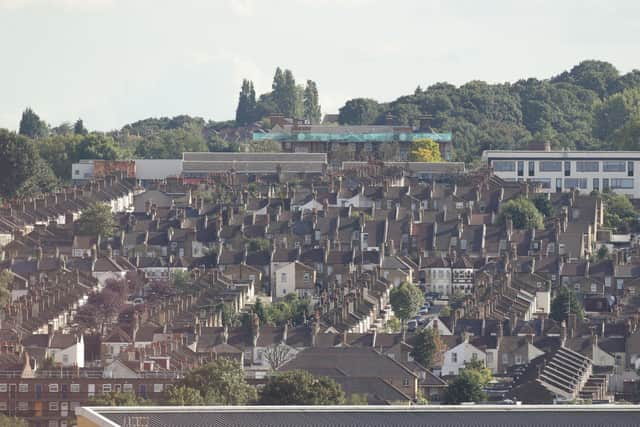
The average house price in Yorkshire and the Humber in the fourth quarter was £212,110 an annual increase of 2.3 per cent.

Robert Gardner, Nationwide’s chief economist, said: “Despite the softer end to the year, the word that best describes the housing market in 2025 overall is ‘resilient’.
“Even though consumer sentiment was relatively subdued, with households reluctant to spend and mortgage rates around three times their post-pandemic lows, mortgage approvals remained near pre-Covid levels.
“Stamp duty changes that took effect at the beginning of April created volatility through the spring and summer.
“Activity spiked in March as purchasers brought forward transactions to avoid paying additional tax and this led to some softness in the following months.
“However, the underlying picture was little changed as demand held up well throughout.”
In regional figures, which cover the fourth quarter of 2025, East Anglia was identified as the only location in the index to record an annual fall in house prices. The average property value there fell by 0.8 per cent annually.
Mr Gardner said: “At the other end of the spectrum, Northern Ireland continued to outpace the rest of the UK by a wide margin, with prices increasing by 9.7 per cent over the year.”
He continued: “Despite these significant price gains, house prices in Northern Ireland are still around 5 per cent below the all-time high recorded in 2007, while UK prices are almost 50 per cent higher over the same period.”
Within England, the North West, which includes areas such as Cheshire, Lancashire and Greater Manchester, was the top-performing region, with average house prices up by 3.5 per cent annually.
Looking ahead, Mr Gardner said: “We expect housing market activity to strengthen a little further as affordability improves gradually via income growth outpacing house price growth and a further modest decline in interest rates.”
Nationwide expects house prices to increase by around 2 per cent to 4 per cent across the year ahead.
Ian Futcher, a financial planner at wealth manager Quilter said: “Although Christmas is now behind us, December itself is rarely a month that sees much momentum in the housing market.
“This year, that seasonal slowdown was amplified by the timing of the Budget.
“With key fiscal decisions pushed later into the year, many prospective buyers and movers chose to put plans on ice until they had clarity on the policy landscape, before then allowing those plans to slip further as attention turned to the festive period.”
Mark Harris, chief executive of mortgage broker SPF Private Clients, said: “Hard-pressed borrowers will be hoping for January sales from lenders with lower mortgage rates as we kick off the new year – and the signs are promising.”