
'Blanket ban on selling energy drinks through vending machines will cost industry £43m a year'
A blanket ban on selling energy drinks through vending machines will cost the industry £43 million a year, put local businesses at risk and punish adults for a problem the Government cannot prove exists. And with a new Prime Minister and Health Minister weeks into their roles, the industry is wasting no time in making its case for a rethink.

Walk through almost any factory floor, warehouse, office block or gym in Yorkshire, and you will find one: a vending machine, humming quietly in a corridor, stocked with energy drinks for the adults who need them.
Across the UK, some 82% of all vending machines exist in these spaces, inaccessible to children. The ban on vending machine sales of high-caffeine energy drinks will impact more working-age adults than it will children. The Government’s own consultation response concedes that evidence linking energy drinks to the cited harms is "not definitive” and does not establish causation. Additionally, no evidence has been presented to show that machines in those settings are a meaningful source of underage purchases. The consequences for the vending industry are anything but abstract. AVA: The Vending & Automated Retail Association, headquartered in Wetherby, estimates the ban will wipe £43 million annually from an industry that contributes £3.78 billion to the UK economy. The industry already operates voluntary restrictions, limiting energy drink sales in publicly accessible locations such as shopping centres. A targeted approach, including age-verification technology or location-specific restrictions, was proposed, but the Government rejected it, citing ease of enforcement as its rationale.
For Yorkshire-based operator Ross Macdonald, MD at Upton Group, the decision is both damaging and baffling. He says: “More than 75% of our business is in workplaces where children have no access. We already prevent energy drinks from being placed in public sites and, in line with NHS guidance, we do not supply them to hospitals. This demonstrates our ability to restrict these products where it matters. All that will happen now is that purchasing shifts to the retail sector rather than vending. None of this needed to happen if local businesses had simply been listened to.”
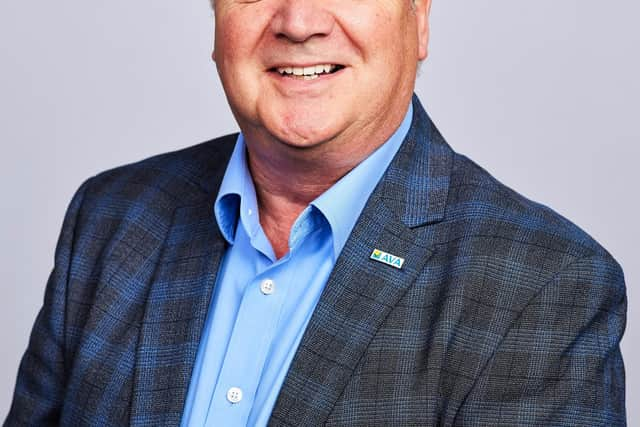

Both the Prime Minister and the ministerial cabinet have changed. With new occupants in Downing Street and at the Department of Health, the AVA is calling on them to look afresh at a decision made by their predecessors and to reverse it. The association is urging the incoming administration to commit instead to targeted, evidence-based measures that protect children without punishing an entire sector for a problem that has never been conclusively
demonstrated. The British Soft Drinks Association has already committed to not marketing energy drinks to under-16s, and every can carries a label stating it is not recommended for children.
A change of government is usually a moment for reset and reflection. For the UK’s vending operators, including Rooss Macdonald, the hope is that the new administration will take that opportunity. The vending machine in the corridor never hurt anyone, and we think it deserves better than this.
By David Llewellyn, chief executive of the AVA