
Care boss says workers leave low-paid roles for easier jobs in McDonald’s or Amazon
A South Yorkshire care service boss has told how hard it is to keep staff on low pay rates when they can get a job with less stress and responsibility.
Kate Davis, chief executive of Crossroads in Rotherham, spoke at a meeting of NHS South Yorkshire Integrated Care Board yesterday (January 30).
Crossroads describes itself as a non-profit organisation supporting carers and people with care needs in their own homes. It operates in Rotherham and Doncaster.
Ms Davis said that the service costs £120,000 a year to run and funding only covers £30,000 of that. That means Crossroads can only afford to pay carers just over the minimum wage and their travel time makes shifts far longer than the hours they are paid for.
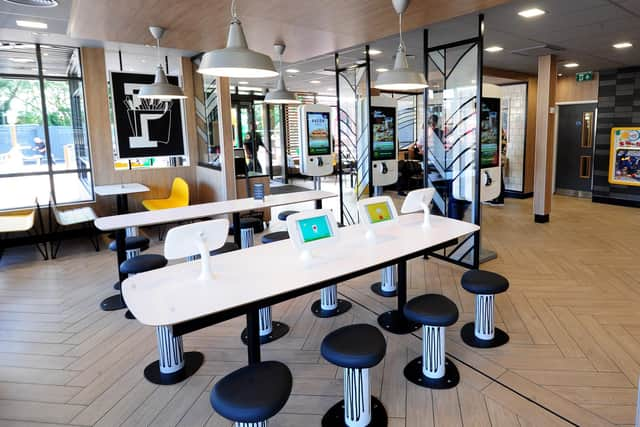

She said that staff will leave for jobs at McDonald’s or Amazon because of what they have to deal with.
“They put up with challenging behaviour from people they see kicking them or spitting at them. If I was working in that sector I would be working for McDonald’s, you have no responsibility.
“You’re asking people to toilet and take medication and if you’re [getting it] wrong, we’re going to beat you over the head for it.”
Alexis Chappell, Sheffield City Council’s strategic director of adults care and wellbeing, said: “We have to take cognisance of what was said there – that could be said 1,000 times over.
“What does it mean for operating a social care workforce? We also need to think about how we value unpaid carers as well.”
The integrated health board is part of an integrated system that plans health and care services in South Yorkshire. The system, introduced in 2022, brings together NHS leaders with Sheffield, Rotherham, Doncaster and Barnsley council representatives, plus the voluntary sector, social care providers and other partners with a role in improving local health and wellbeing.
The board is chaired by South Yorkshire Mayor Oliver Coppard.
Ms Davis spoke during a discussion about developing a South Yorkshire Integrated Care Service workforce strategy.
A report to the board said: ” It is a collaboration strategy, focusing on how we work together to value and support our entire workforce across health, care, the voluntary, community and social enterprise sector, and carers (paid and unpaid) and develop a diverse workforce that reflects our communities. “Over 320,000 people have paid and unpaid health and care roles in South Yorkshire. That’s about 1 out of 5 in the whole population.
“Our ambition is for all of them to feel recognised, valued and supported.”