
Energy bills: the best heating tip to reduce your household bills by almost £100 this winter

This article contains affiliate links. We may earn a small commission on items purchased through this article, but that does not affect our editorial judgement.
Just one small tweak at home could slash your energy bills and help the planet this winter 💡
- Turning down your thermostat by just 1°c can cut heating bills by around 10%
- For a typical UK household, this could save up to £50 over winter or nearly £100 annually
- Heating accounts for over half of household energy bills, so small reductions have big impact
- Smart thermostats make it easy to adjust temperatures and see potential savings
- Reducing heat also lowers carbon emissions, roughly 300 kg CO₂ per winter - like removing a car from the road for a month
As winter rolls in and energy bills begin to bite, many households are looking for simple ways to reduce costs.
While installing new heating systems or insulating your home can help, there’s a surprisingly easy step that can make a noticeable difference.
Turning down your thermostat by just 1°c might sound minor, but the financial and environmental impact can be significant.
How much could you save?
According to energy experts, lowering your central heating thermostat from 21°C to 20°C could cut your heating bills by around 10%.
That might not sound like much on a monthly basis, but across the winter season, it can add up.
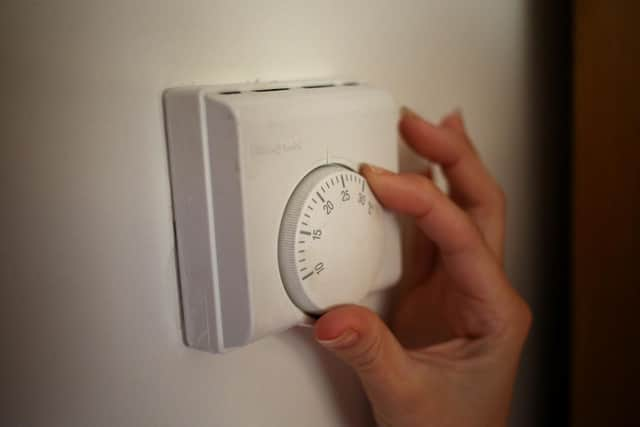

For a typical UK household spending roughly between £350 and £500 on gas over winter, that 1°c reduction could save up to £50.
But over the course of a year? Average annual household spending on gas varies by house size, ranging from around £650 for a small flat to £1,200 for a large house, but for a typical three-bedroom house, the average annual cost is around £879.
Extrapolate that 10% heating cost reduction over 12 months, and you could be looking at an annual saving of nearly £100.
How does it work?
The principle is simple: the warmer you keep your home, the more energy your boiler uses to maintain that temperature.
Heating accounts for about 55–60% of an average household energy bill, meaning even small reductions in temperature can have an outsized effect.
Smart thermostats are also a particularly effective tool. Many allow you to set precise temperatures for different rooms and schedule heating to match your routine, ensuring you’re not wasting energy when you’re asleep or out of the house.
Some models even give you a running estimate of your potential savings if you reduce the temperature by a degree, making it easy to see the real-world impact of small adjustments.
Turning down the thermostat by just 1°c doesn’t even mean you’ll be uncomfortably cold. Most people won’t notice a slight drop in room temperature, especially if you layer up with warm clothing or enjoy a cosy blanket on the sofa.
Will it help the planet?
There’s also an environmental benefit. Reducing your thermostat by 1°c throughout the winter can lower your household’s carbon emissions by roughly 300 kg of CO₂ - the equivalent to taking a car off the road for nearly a month.
For eco-conscious households, this small change is a straightforward way to reduce your footprint without major lifestyle sacrifices.
What else can I do?
If almost £100 in potential savings isn’t motivating enough, consider combining this approach with other simple energy-saving habits.
Draught-proofing doors and windows, using radiator reflectors, and ensuring your heating only runs when someone is at home can all amplify the impact.
Even changing your hot water habits, such as reducing your shower temperature by a degree or two, can add to the overall savings.

With household expenses continuing to rise and energy bills still higher than pre-crisis levels, more people are turning to Utility Warehouse (UW) to save money. UW lets you bundle services like broadband, mobile, energy and insurance into one streamlined account—reducing hassle while unlocking multi-service discounts. The more you bundle, the more you save.
Customers benefit from a single monthly bill, up to £400 towards early exit fees, and access to cashback on everyday spending. UW also offers the UK’s cheapest variable energy tariff when bundled, helping shield households from further price hikes.