
Budget 2025: road and car tax changes confirmed in Rachel Reeves UK Budget - how pay-per-mile charge will work

EV drivers will face new costs as the Government introduces a per-mile charging system 🚗
- A new mileage-based tax on electric and plug-in hybrid cars will come into effect in April 2028
- Petrol and diesel fuel duty will remain frozen until September 2026
- EV owners will pay based on estimated annual mileage, with top-ups if they exceed it
- The tax aims to replace lost fuel duty revenue as more drivers switch to electric vehicles
- Supporters say it could reduce congestion and emissions, while critics warn it may hit early adopters unfairly
UK drivers are facing a shift in motoring costs after a new mileage-based tax on electric vehicles (EVs) and plug-in hybrids was confirmed as part of the 2025 Budget.
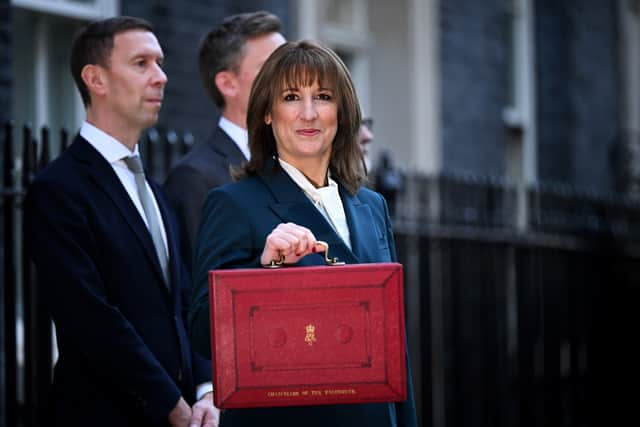
The move, one of the most eye-catching change of Rachel Reeves’ announcements, marks a significant change for motorists and comes amid ongoing efforts to encourage zero-emission vehicles (ZEVs).
Currently, drivers of petrol and diesel vehicles contribute billions annually through fuel duty, over £25 billion in recent years, while EVs pay nothing.
As more drivers switch to electric, this vital source of revenue is shrinking. The mileage tax aims to restore the link between road use and taxation, effectively asking EV owners to “pay for the road” they use.

The policy is expected to double road maintenance funding in England over the course of this Parliament.
The Office for Budget Responsibility (OBR) leaked details of the 2025 Budget ahead of Reeves’ Commons announcement, estimating the mileage charge will raise around £1.4 billion a year by 2029-30, with wider tax changes across the motoring sector projected to bring in £11 billion by the same year.
Petrol and diesel fuel duty, meanwhile, will remain frozen until September 2026, giving “traditional” drivers a temporary reprieve.
How the mileage tax will work
Under the changes, expected to come into effect from April 2028, EV drivers will pay 3p per mile, while plug-in hybrid owners will pay 1.5p per mile, a move aimed at creating a “fairer system for all drivers.”
Speaking in the Commons, Reeves said the new electric vehicle excise duty will be collected alongside annual vehicle excise duty (VED).
It is expected that drivers will estimate their annual mileage when registering their vehicle and pay the tax upfront.
If they drive more than their estimate, a top-up will be required; if they drive less, the remaining allowance could roll over to the next year.
Early examples when reports of the mileage tax were first circulating suggested a journey from London to Edinburgh could cost around £12, while shorter trips, such as Liverpool to Leeds, might cost £2.
Critics say that the system risks being confusing or unfair without careful design, especially as EV ownership continues to rise.
Initially, the tax will apply only to EVs and plug-in hybrids. Petrol and diesel vehicles remain outside of the scheme for now, but industry insiders say that once a per-mile system is in place, there is potential for expansion.
Supporters say that charging by distance could encourage drivers to rethink how much they use their cars, potentially easing congestion and cutting emissions.
Environmental groups have also long promoted road pricing as a tool to reduce unnecessary journeys and encourage public transport or car sharing.
But opponents say the priority should be improving affordability and infrastructure for EVs rather than introducing new costs for early adopters.
The mileage tax is not expected to come into force until 2028, following public consultation and careful planning.
What else is changing?
In addition to the mileage tax, the Government will invest £200 million in expanding the network of EV charging points across England.
The Budget also raises the threshold for the expensive car supplement on EVs to £50,000. Reeves said this change will save more than one million motorists around £440 a year, making the system more affordable for EV buyers.