
Central heating: 1,000s of UK heat network customers protected from price hikes under new Ofgem regulations

This article contains affiliate links. We may earn a small commission on items purchased through this article, but that does not affect our editorial judgement.
Finally, customers can expect fair bills, clearer statements, and support if things go wrong 🔥
- Thousands of Yorkshire homes and businesses on heat networks will now be protected from unfair price hikes
- Ofgem regulation begins on January 27, bringing heat networks in line with gas and electricity rules
- Customers will benefit from clearer bills, compensation for outages, and support for vulnerable households
- Heat networks use centralised heating from factories, data centres, or rivers to supply multiple buildings
- The Government is also investing £47m in new low-carbon heat network projects across the UK
The way Yorkshire homes and businesses that get their heating from a shared source rather than a traditional gas or electricity connection pay for heat is about to change.
From Tuesday, January 27, more than 500,000 customers on heat networks in England, Scotland, and Wales will be protected from unfair energy price hikes, thanks to new regulation by Ofgem, the country’s energy watchdog.
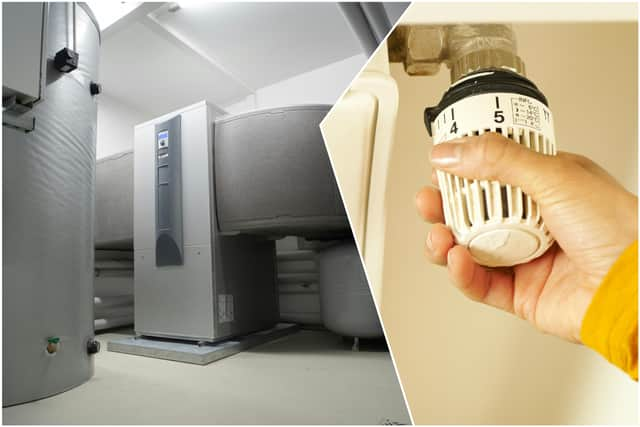
Heat networks, sometimes called district heating systems, provide heating and hot water to multiple buildings from a centralised source.
Instead of each building relying on its own boiler, heat is generated centrally, often by taking excess heat from industrial sites, data centres, or even river water, and distributed to connected properties through a network of insulated pipes.
These systems are common in apartment blocks, business complexes, and urban regeneration projects, and they can offer efficient, low-carbon heating.
But until now, the industry was largely unregulated, leaving customers vulnerable to steep price rises and service problems. Some households saw energy costs jump by as much as 450% during the recent surge in gas prices.

What the new Ofgem rules mean
From January 27, Ofgem will have the power to regulate heat networks, bringing them in line with traditional gas and electricity connections. This means that heat network operators must:
- Avoid unfair price hikes and poor service.
- Provide clear, itemised bills so you can see exactly what you are paying for.
- Offer support for vulnerable customers, including those who may struggle to pay for heating.
- Compensate customers in the event of service outages.
For those who have experienced ongoing issues, the Energy Ombudsman will now be able to step in, giving households and businesses a clearer route to resolving disputes.
Why it matters
Minister for Energy Consumers Martin McCluskey said the changes are long overdue: “For too long customers on heat networks have been unprotected, being hit with unfair price rises and having to manage with hugely inconvenient service outages.”
Consumer groups have welcomed the news, saying that heat networks have often left residents paying more for less.
Simon Francis from the End Fuel Poverty Coalition called it a “long-overdue step” but warned that regulation alone is not enough, and the new powers must be actively enforced, and vulnerable households properly supported.
What else is changing?
Alongside regulation, the Government is investing over £47 million through the Green Heat Network Fund to expand four new projects in London, Sunderland, and Salford.
These initiatives include innovative solutions such as taking heat from the River Thames or using wastewater heat pumps to supply buildings, demonstrating how heat networks can be both sustainable and cost-effective when properly managed.
Helena Charlton, Ofgem’s director of heat networks, said: ““Heat networks can deliver efficient, cost-effective heating – but there are instances where this is not the case. This framework will set important standards for consumers to rely on, backed up by our oversight.”
For anyone connected to a heat network, the news marks a major step toward fairer, safer, and more transparent heating, offering protections that were previously only available to gas and electricity customers.

With household expenses continuing to rise and energy bills still higher than pre-crisis levels, more people are turning to Utility Warehouse (UW) to save money. UW lets you bundle services like broadband, mobile, energy and insurance into one streamlined account—reducing hassle while unlocking multi-service discounts. The more you bundle, the more you save.
Customers benefit from a single monthly bill, up to £400 towards early exit fees, and access to cashback on everyday spending. UW also offers the UK’s cheapest variable energy tariff when bundled, helping shield households from further price hikes.