
Train tickets: cheap travel to London and other UK cities as rail fares frozen for the first time in 30 years

The Government aims to make rail travel more affordable and modern 💷
- Rail fares in England are set to be frozen for the first time in 30 years
- Season tickets, peak, and off-peak fares between major cities are included
- Commuters on expensive routes could save hundreds of pounds per year
- The freeze is part of plans to modernise Great British Railways with digital ticketing and better onboard services
- The move eases pressure on household budgets but doesn’t solve issues like overcrowding or punctuality
For the first time in 30 years, rail passengers in England won’t face a New Year price hike.
For millions of commuters, the freeze could mean meaningful savings on some of the country’s most expensive routes.
The Government has confirmed that regulated rail fares will remain at their current levels, covering season tickets, most commuter peak fares, and off-peak returns between major cities.
Regulated fares are the prices the Government controls each year. “Unregulated” tickets are those which train companies can set freely, and include advance-purchase tickets, some flexible or off-peak long-distance fares, and special promotional deals.
Ministers say the move will save frequent travellers “hundreds of pounds” and help ease pressure on household budgets during a period of stubbornly high living costs.
Chancellor Rachel Reeves said the freeze is part of a broader drive to “cut the cost of living” ahead of next week’s Budget. She framed the decision as a choice to support workers, families and students who rely on the rail network.
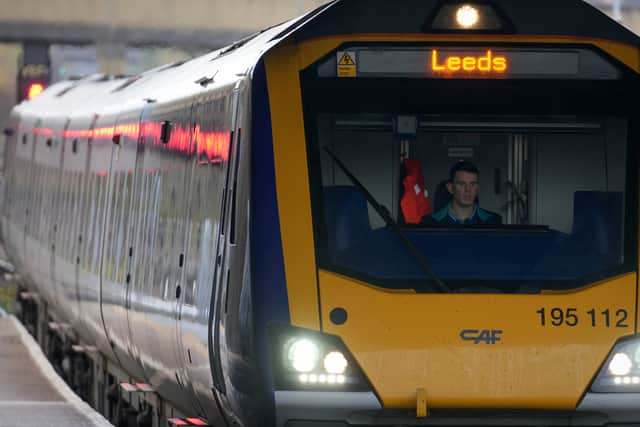

Transport Secretary Heidi Alexander added that the freeze is a key part of government plans to rebuild a new, publicly owned Great British Railways.
Great British Railways aims to modernise travel with tap-in/tap-out journeys, digital ticketing, and improved onboard connectivity including superfast Wi-Fi.
How much could you save?
The biggest winners are commuters on pricier intercity routes. According to Government figures:
- Milton Keynes to London: Around £315 saved annually for a three-day-a-week commuter using a flexi-season.
- Woking to London: About £173 a year saved.
- Bradford to Leeds: Around £57 saved.
In total, the freeze applies to more than one billion passenger journeys, covering all regulated fares in England and services run by English train operators.
Regulated fares are those with prices set and controlled by the Government each year. “Unregulated” tickets, those set at the discretion of train companies, are not included in the price freeze.
These include advance-purchase tickets, certain flexible or long-distance off-peak fares, and special promotional offers.
If you’re a commuter, especially one travelling into London or between major cities, the freeze will directly reduce what you would otherwise have paid from January.
But while news of the freeze has been widely welcomed, some industry voices have said that doesn’t solve long-standing issues around punctuality, overcrowding, and declining ticket office presence.
For passengers who have long felt squeezed by rising costs and patchy service, the freeze won’t fix everything, but it’s a rare piece of good news.