
Train travel: 7 of the best tips to save on Christmas train tickets as rail fare prices peak this December

This article contains affiliate links. We may earn a small commission on items purchased through this article, but that does not affect our editorial judgement.
Planning festive trips can strain your budget, but there are still ways to keep costs under control 🎄
- December is one of the most expensive times of the year for UK rail travel
- Festive demand pushes up fares as people head home or visit family and friends
- Cheaper tickets are harder to find, but savings are still possible with planning
- Several strategies can help bring down the cost of Christmas train journeys
- Some routes and dates offer better value than others during the holiday rush
December is when millions of people across the UK start mapping out their festive journeys.
Whether it’s heading home for Christmas, visiting friends, or taking a winter break, train travel becomes a seasonal staple.
But it also becomes noticeably more expensive. High demand, limited capacity and fewer discounted tickets all push prices up, making December one of the priciest months to travel by rail.
Still, there are ways to cut costs if you know where to look. Here are the most effective tactics to save money on your Christmas train travel:
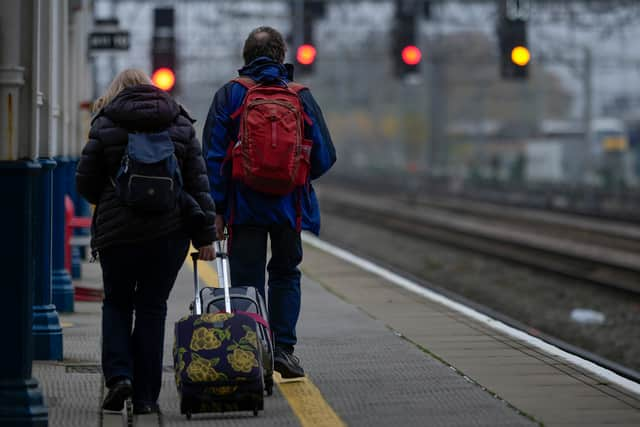

Book as early as you can
Advance tickets are normally the cheapest fares available, and they’re released between eight and twelve weeks before the travel date. By early December, many will have already been snapped up, but it’s still worth checking.
Train operators often release additional tranches of Advance tickets closer to the date, and people also return or refund seats, which means bargains can appear unexpectedly.
Set up fare alerts on apps such as Trainline and Trainsplit so you’re notified the moment prices drop.
Consider splitting your tickets
Split ticketing can offer significant savings, even at peak festive times. Instead of buying one through-ticket, you purchase separate tickets for different legs of your journey.
You don’t need to change trains, the train just has to stop at the station where your split occurs.
Websites such as Trainsplit, Trainpal and Split My Fare automate the search and can often knock 20–50% off long-distance travel.
Always check that the overall journey time remains sensible and that the train you’re on stops at each split point.
Travel on quieter days if you can
The days immediately before Christmas (especially December 20–24 ) are historically the most expensive.
Travelling on a weekday earlier in December or on Christmas Eve morning can be cheaper.
If you have flexibility, plug a range of dates into a fare calendar to see which days offer the best prices. Avoid the first and last trains of the day where possible, as those tend to be priced higher due to commuter or end-of-day demand.
Use railcards and group discounts
Railcards remain one of the simplest ways to cut costs, offering around a third off most rail fares, and even if you’re only making a couple of journeys this month, a £30 railcard can quickly pay for itself.
Options include the 16–25, 26–30, Two Together, Family & Friends, Senior and Disabled Persons Railcards.
If travelling with others, look for GroupSave discounts; many operators offer reduced fares when three to nine adults travel together on off-peak or super off-peak tickets.
Check alternative routes and alternative operators
Sometimes the most direct route isn’t the cheapest, and travelling via a neighbouring city or taking a slower train operated by a different company can save money.
For instance, services run by regional operators may be cheaper than long-distance services covering the same stretch.
Open-access operators such as Lumo or Grand Central also tend to have lower fares, especially on routes between major cities. Use journey planners that show all operators, not just the main ones.
Avoid extra costs at the station
Little add-ons can quickly inflate the cost of your trip. Buying tickets at the station on the day is almost always more expensive, and some operators charge additional fees for upgrades or seat reservations purchased last-minute.
Plan ahead, download your tickets to your phone and, if you’re travelling regularly over Christmas, consider season tickets for shorter-distance routes, as weekly or monthly passes can be cheaper than individual fares.
Look out for strikes and engineering work
December and early January often bring planned engineering works, especially around Christmas Day and Boxing Day.
If your preferred route is affected, prices on unaffected routes may spike. Check National Rail and operator websites for planned disruptions so you can book around them.