
DSA's huge potential for freight means it can be more than just an airport: Dan Burn
Doncaster’s attributes have long been known when it comes to logistics and supply chain. A series of geographical quirks and infrastructure assets make it highly attractive to a range of organisations involved in this space.
The road and rail networks are often identified as something that works in Doncaster’s favour, and that’s true.
But a factor that we could see playing a bigger role in the future, is how aviation infrastructure forms part of that picture.
As a business, Panattoni is known for being able to speculatively build some of the biggest warehouses in the country and continental Europe, but we do that in areas that meet certain criteria and have the best potential for occupiers.

While it’s our job to see that potential early, it’s ultimately driven by demand from end-users, and we’re seeing the demand in Doncaster now.
UK supply chains are evolving for a wide range of reasons.
Consumer habits are changing, for example what we eat, drink and wear, and the geopolitical landscape plays a role too.
The ways we trade with other countries – and the identity of those countries – is something that those in the property profession need to be alive to.
We are seeing e-commerce driving the demand for air freight in particular, so while tonnage might be similar to pre-pandemic levels, the value of that freight has risen.
Aviation excels at high-value cargo, as it arrives quicker, to meet increasingly discerning customer demands.
In order to make this work economically, the UK needs the right airside infrastructure.
The majority of air cargo by value, though, still flows through the country’s biggest airports in the South East.
What the North and other regions offer, is a cost-effective solution, with the right land opportunities and skills required to make a proposition viable.
We’ve seen significantly expanded freight operations from airports in the midlands and Scotland, and that’s a piece of the pie that Doncaster can take advantage of.
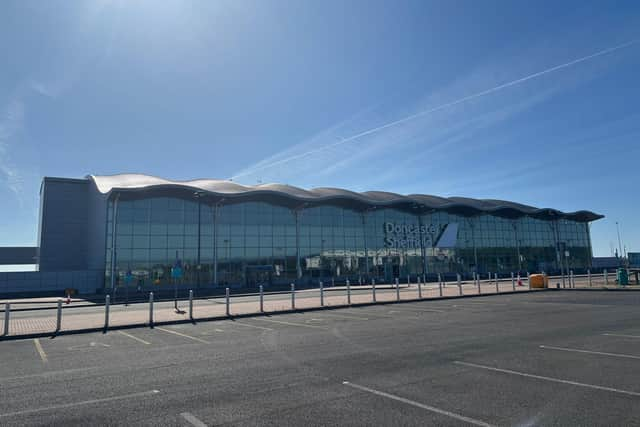
The freight figures quoted for Doncaster Sheffield Airport before it closed, somewhere in the region of 24,000 tonnes per year, nowhere near did the airport justice.
Not only does it have one of the longest commercial runways in the country, capable of handling the biggest planes, but it has the space required to accommodate growth.
This growth means more than warehouse jobs.
Today’s megasheds, like Doncaster420 at Gateway East, are state of the art buildings, conforming to the highest environmental credentials. They house engineers, automation experts and management teams.
So even leaving aside what Doncaster Sheffield Airport could mean for passengers, the need for the airport going ahead has an exceptionally strong business case.
It will help drive inward investment and create quality employment opportunities for the region. It is through this prism that future decisions must be viewed.
Dan Burn is Panattoni’s head of development for the North West and Yorkshire