
Europe’s largest planned lithium refinery scrapped for Wilton and shifted to Billingham
Plans for a £200m lithium refining plant at Wilton in Redcar have been dropped – and moved to Billingham instead.
Tees Valley Lithium (TVL) gained planning approval by Redcar and Cleveland Council in November 2022 to build a refinery, then touted as Europe’s largest, on the Teesside Freeport, with the potential to bring 1,000 jobs to Teesside. The firm planned to supply around 15% of Europe’s electric vehicle production requirement for lithium hydroxide, which is used in the vehicles’ batteries.
However the firm, which is owned by Alkemy Capital Investments Plc, has now turned its attention to the “ideal” alternative of Billingham because it can buy land there rather than lease the Wilton plot. It proposes to build a lithium hydroxide monohydrate manufacturing plant on a disused industrial site of almost 10 acres in the Billingham Chemical Complex.
TVL has confirmed to the Local Democracy Reporting Service that the Billingham scheme is instead of Wilton, “as a result of opportunity to purchase rather than lease land”. This meant “all ongoing work relates to the Billingham site”.
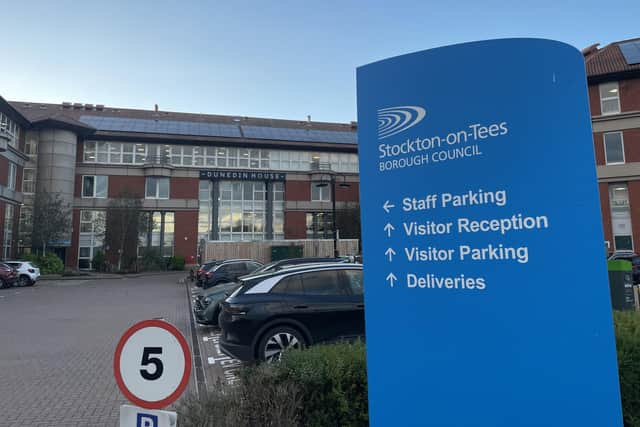

In a document sent to Stockton Council, TVL says it intends to apply for planning permission to develop “the UK’s first large-scale lithium refining facility which will combine the established chemical process strengths of Teesside with proven world-leading technology provided by Veolia”.
It refers to the previous plans approved for Wilton. “However, there have been a number of significant developments within the project scope since receipt of planning approval, including the opportunity to purchase a vacant site within the Billingham Chemical Complex,” says the developer. “TVL considers the Billingham site to be an ideal location for the proposed development.
“The proposed development will be the first facility of its type within the UK. The plant will bring significant capital investment to the region and become a key employer within the emerging green economy and associated supply chains.”
It says about 100 people would work on site during an 18-month build, with 66 permanent jobs in a first production train of 25,000 tonnes of battery-grade lithium hydroxide monohydrate per year. It hopes to expand to four production trains later, as in the original Wilton scheme, and bring a similar number of jobs in the long term from full production and construction.
No full planning application has gone in yet for the low-carbon lithium refinery. TVL has submitted screening and scoping opinion requests to Stockton Council for feedback before applying for full planning consent, with a final layout for the plant to be confirmed.
When the previous Wilton plans were approved, it was said construction was expected to start in 2023. In public announcements on Alkemy’s website, an annual report in May last year said: “Our principal asset, Tees Valley Lithium Limited, continues to make strong progress in its ambition to deliver the UK’s flagship lithium refinery in Teesside’s Freeport.”
In November 2025, chairman Paul Atherley said in a finance and delivery update: “Tees Valley Lithium continues to build the foundations for construction and operation of a new UK lithium refinery at Teesside Freeport.” It said TVL was gearing up for project-level financing for construction of the refinery at Teesside Freeport. However Redcar, Wilton and the Freeport have not been mentioned in the documents since.
An announcement on an FEED (Front-End Engineering Design) study earlier this month refers only to a “proposed lithium hydroxide refinery in Teesside, UK”. It says: “The FEED outcomes are underpinned by Alkemy selecting to purchase rather than lease the industrial plot for the TVL facility, which will support both the initial production train and future expansion phases.” A footnote says “further details relating to the land asset will be released”.
A spokesperson for TVL said the plant’s process would be fully electrified and powered by 100% renewable energy, the company had engaged with local firms keen to be part of the project and “are working hard to ensure that the local economy benefits from the opportunities associated with the project as much as possible… We intend to progress this project at pace, beginning site preparation later this year, with first production targeted for 2028.”