
Fortune’s Kippers Whitby: The Yorkshire smokehouse run by five generations for 154 years visited by celebrities including Mary Berry and James Martin
Five generations of the Fortune family have been running the smokehouse in Whitby across 154 years frequented by famous faces including Mary Berry and James Martin.

Fortune’s Kippers was originally founded in 1872 by William Fortune and survived various challenges across its history including the First and Second World Wars.
Their specialty is smoked herring - a process of smoking and brining that they have maintained throughout its history without any change of method.
The business is now owned by William’s great-great grandson, Barry Brown, 70, from Whitby, who has seen many famous faces over the years.
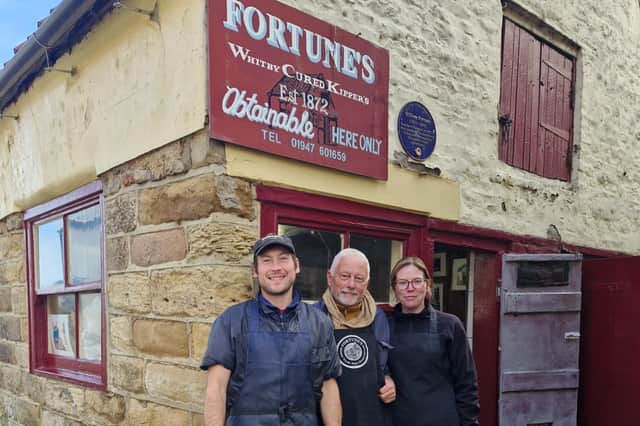

“They're all very interested in what we do,” Barry said.
“Our most famous face that came in was John Pierre White, he’s good friends with my daughter.
“We had Gary Rhodes up here years ago, we had Brian Turners, Mary Berry. Mary’s a really nice person, she’s lovely.
“We’ve also had James Martin [visit us]. They're all very nice people.”
A visit from the Two Fat Ladies was one of Barry’s favourite moments which happened 30 years ago.
“I didn't really know their works, we didn't watch that type of TV,” Barry said.
“I remember they said we’ll come this morning for around an hour and a half and we spent most of the morning with them. It just turned into a social event.
“They asked ‘do you mind if we'll break off for lunch?’
“They said: ‘can we give you a treat’, they gave us 20 quid and they said right well we should be back from lunch by about half past one so I said we'll be back from lunch when we've drunk this 20 quid.”
The business has been run by five generations.
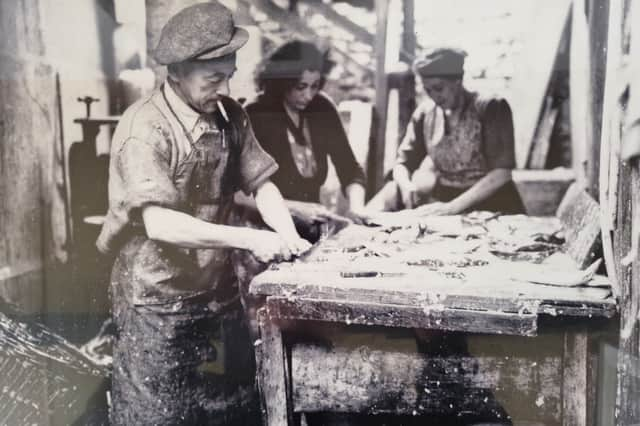
“My great-great-granddad started it but it wasn't an all-year-round business like it is now,” Barry said.
“It was more seasonal when the herring were caught more locally and they did other things in the winter, like supplement wages.
“My great-granddad then came into the business and they also had the donkey rides on the beach as well as that, so they had other ways of supplementing an income.
“We were the fifth generation; sadly [my brother] Derek passed away recently, so I'm in the business at the moment with my daughter Beth and my nephew Dan.
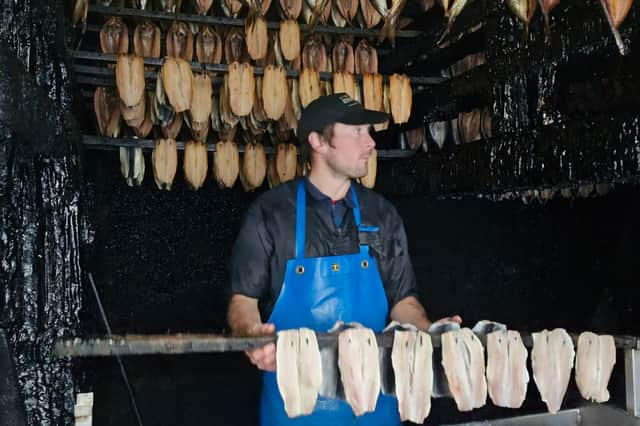
The process of preparing the herring is all done by hand without any technology or mechanical assistance.
“It doesn't sound complicated, but you need to know exactly what you're doing, obviously, because of the amount of fires that you start burning,” Barry said.
“We get the raw product and process it by taking the goods out, we’ll brine it and then smoke it for up to 24 hours until we think it’s ready.
“Then when it's ready, it goes into the shop next door; everything's done on the premises from start to finish.
“We've not changed methods; we just continue through the way that we were shown when we were kids, and Beth and Dan are getting exactly the same treatment as we got.
It takes travelling between 40 miles and 60 miles to procure the material, Barry said.
“It wouldn’t have lasted 150 years if we didn’t have a good product,” he said.
“I do get the materials I need but I've got to maybe travel 40 miles to pick up certain shavings for the fires, 50 mile-round trips, 60 mile-round trips but it's what we need.
“We also use a mixture of shavings which would be hardwood of beech and oak, we have our own blend mix for that beech and oak and then we use saw dust on top of that to slow the fires down.”
The biggest challenges throughout its history were when the business stalled during the First and Second World Wars.
“My granddad was sent off during the First World War and I think production stopped a little bit then before he resurrected it again,” Barry said.
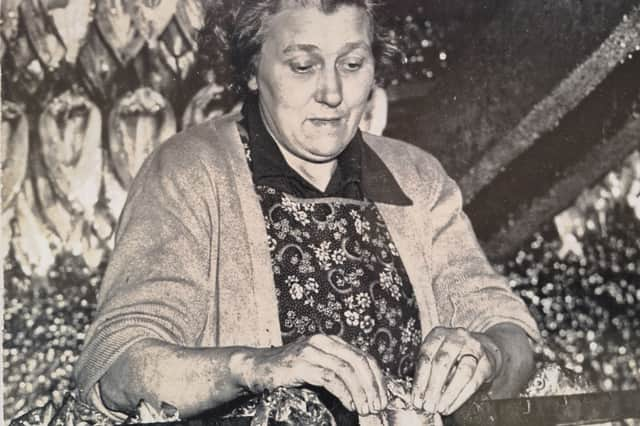
“It’s not just locals who buy our fish, it's restaurants, it's guest houses, cafes, people just off the street. So you need the footfall as well.”
There are customers who come in with interesting stories about the business.
“Nothing really surprises you, you don’t know what you’re going to get when they come around the corner,” Barry said.
“One guy came every summer for about eight years from Canada. He’d be standing in our yard from start to finish for two days just chatting and watching.
“People come from all over the world just to get a photograph outside, including Australia.”