
How businesses can tackle 'menopause policy fatigue' and genuinely help workers: Claire Hurst
Do we have menopause fatigue in the workplace? It may be an unpopular opinion but I believe people in businesses aren’t tired of menopause being the topic of conversation.
But they are tired of doing it badly.
I hear “We did menopause last year, we had a full day of speakers and events”, “We’ve got a policy, it is great” or even worse, “Isn’t it a bit trendy?” I do understand the fatigue, I just don’t accept it.
In just a few years menopause went from taboo to trend. Then the marketers moved in and now we have shelves filled with products at slightly higher prices, some even have a tick on the packaging to say it is menopause friendly.

There are even menopause shampoos, hormone balancing stickers to help you sleep and protein powders. It’s become a marketing person’s dream without anyone actually considering if they have any real benefit to the women struggling with their menopause symptoms at all.
That’s ‘menopause washing’, but increasingly some businesses have their own version of it.
It’s the policy nobody has read that sits in a drawer. The tick box event of a webinar once a year and a ‘menopause champion’ that everyone is slightly intimidated by.
The truth is many menopause policies are simply there to protect the business and not support the women who really need it.
Often written through assumptions and in many cases, the desire to do the right thing. They are just missing the mark completely.
Perhaps this is why for many women nothing feels like it is changing
New research from Benenden Health found 28 per cent of women were considering leaving their job due to menopause. In that same study, 92 per cent of HR directors felt they were meeting staff needs and only one-third trained their managers. This is the gap that tells us everything.
Here’s what I believe after 15 years of lived experience and what I hear from patients in my clinic and women I work with in the workplace.
Business jumps to policy because it feels like action.
With the incoming Employment Rights Act updates requiring businesses with over 250 employees to have a menopause action plan, we are in danger of this increasing further. But a policy should be one of the last steps, not the first.
How can we expect someone to ask for support if they don’t fully understand what is happening to them? How can we expect managers to know how to manage this if they have never been trained?
If the business culture doesn’t allow a culture where people feel psychologically safe to even have these conversations then nothing changes. So what can businesses do?
Educate first, train people on how to have these conversations and where to get support then build the culture. Don’t get bogged down in trying to manage symptoms instead look at this through a theory of change lens.
What is the experience you want your employee to have when on a Tuesday morning they say to their line manager “I am struggling with my menopause symptoms’? Once you know the answer, then work backwards.
So no, I don’t think we’ve done too much. I think we’ve done a lot of the easy stuff and called it progress.
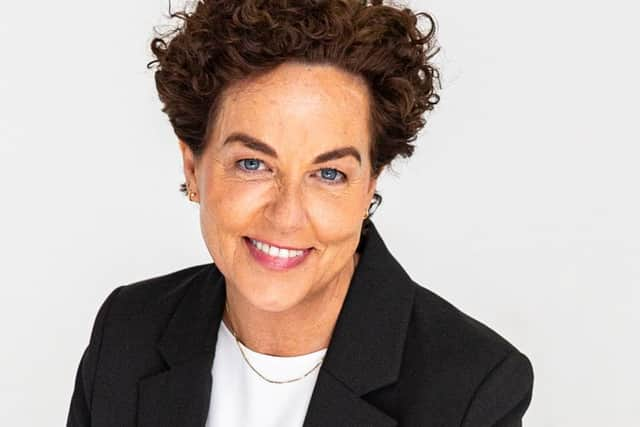
Claire Hurst is a menopause expert, speaker and founder of Rebalance Menopause and Rebalance Academy