
How manufacturers can help more women progress into leadership: Kerry Hope
For years, we have talked about getting more women into manufacturing. We have encouraged girls into STEM, promoted apprenticeships, showcased female engineers and challenged outdated perceptions of what a career in manufacturing looks like.
That work matters, but from the conversations I am having with women across Yorkshire’s manufacturing sector, I believe we need to pay much more attention to what happens next.
Getting women into manufacturing is only the first step. The bigger challenge is making sure talented women can see a route through the business and ultimately into leadership.
Through my work with manufacturers across Yorkshire, and particularly through conversations with female leaders in the sector, I regularly hear similar themes: confidence, self-belief, imposter syndrome and the experience of being the only woman, or one of very few women, in the room.
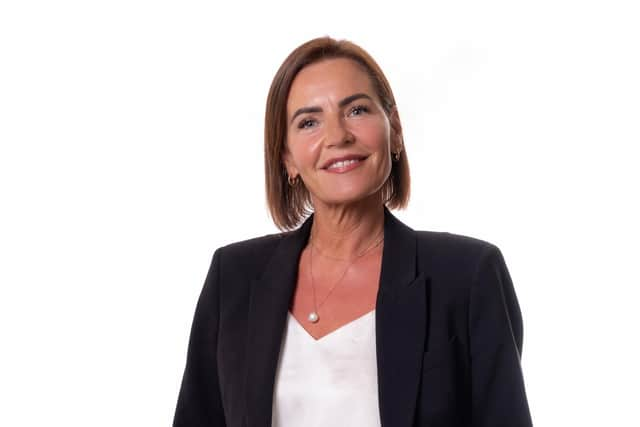

These are not women lacking ability, experience or ambition. Many have built highly successful careers and reached senior positions, yet still describe times when they questioned whether they were ready for the next opportunity.
That matters to businesses because representation at entry level does not automatically create a strong leadership pipeline. If talented people do not see opportunities to progress, manufacturers risk overlooking potential leaders already within their workforce.
One theme that repeatedly comes through in my conversations with female manufacturing leaders is the difference made by someone who believed in their potential before they necessarily recognised it themselves.
Sometimes that was a formal mentor. More often it was a manager who encouraged them to apply for a role, a senior leader who gave them greater exposure or somebody who simply told them they were ready for an opportunity they might otherwise have dismissed.
We often talk about mentoring as a positive people initiative. I think manufacturers should see it as something much more commercially important: part of succession planning.
Manufacturing businesses across Yorkshire are already thinking seriously about future skills and leadership capability. That conversation should include identifying talented people earlier and deliberately giving them the experience, development and support they need to progress.
It also means examining who gets the stretch assignment, who gains exposure to senior leadership, who receives management development and whose name comes up when future succession is discussed.
Many of the manufacturing environments I visit still have predominantly male senior leadership teams. That is not a criticism of the people sitting around those tables, many of whom have built exceptional careers and businesses. But it should prompt us to ask why the pipeline underneath them has not changed more quickly.
The future leaders of Yorkshire manufacturing may not look, or have followed the same career paths, as the generation before them. That should be viewed as an opportunity.
Businesses cannot simply hope their future leaders will emerge. They need to identify and develop them.
So I would encourage manufacturers to look beyond the people sitting around their leadership table today and ask who could realistically be sitting there in five or ten years.
Who has more potential than confidence? Who has not put their hand up yet? Who would benefit from a mentor, greater exposure or their first opportunity to lead?
If we genuinely want more women leading Yorkshire manufacturing, attracting them into the industry is only the beginning.
We also need to make sure we are creating the opportunities, encouragement and pathways that enable them to reach the top.
Kerry Hope is Managing Director of Castle Employment Group