
How the way people research who to buy from has changed, and how firms can take advantage: Danny Sullivan
I keep having the same conversation with business owners across Yorkshire at the moment. They tell me their website rankings look fine, but their traffic's fallen away, and their first instinct is to assume something has broken, but it hasn't.
It's because the way people research who to buy from has changed, and a good ranking's only ever been part of a much longer journey - one that's got longer and harder to see over the last year or so.
A customer researching a new supplier rarely types a question into Google, clicks the top result and picks up the phone anymore. They move between platforms, reading reviews or forums, asking ChatGPT for recommendations, scrolling LinkedIn, reading press articles, searching again later on their phone, and only then getting in touch.
The buying landscape’s changed a lot, which means a single buying decision now involves ten or more touchpoints, spread across at least four different platforms. If your business is only visible in one of those places, you’re invisible for most of that journey, even while your rankings hold.

A lot of the advice right now focuses narrowly on AI visibility, getting picked up by ChatGPT or Google's AI Overviews, but that's one strand of a much bigger picture. The real goal is cross-platform visibility, being findable and credible wherever your buyers are.
It's an easy trap to fall into once you spot it. The instinct is to fix things fast, so you try to be everywhere at once - a bit of SEO here, a rush of social posts there, maybe a press push or ads campaign, all launched together hoping something sticks.
I've watched this rarely work out the way businesses hope, because channels launched together with no relationship to each other compete for the same attention instead of building on it, so money goes out, activity goes up, but results barely move.
The businesses getting this right aren't doing more, they're doing it in the right order.
Search comes first, not just Google now but AI tools like ChatGPT too, because it's still the foundation everything else sits on. Once people can find you, the next job is making sure your website gives them a reason to get in touch rather than bounce straight off it.
Earned media is the brand authority layer that comes next, and a business showing up in publications people already trust carries an authority no advert can buy, feeding straight back into how well you rank and how often people search for you by name. Only once all that's working does Google Ads really earn its keep, reinforcing a business people already find and trust rather than trying to buy that trust from a standing start.
That's the bit that's easy to overlook. These channels work as one integrated system, and when built in the right sequence, each one makes the next work harder, and cheaper to run over time. Get the order wrong and you can spend heavily for very little progress.
None of this means Yorkshire businesses need bigger budgets or more agencies shouting for attention though. It means engineering the right sequence and resisting the pressure to launch everywhere the moment leads start drying up.
I built Nomada Digital in York on that principle, and it's the same advice I'd give any business in this county wondering why their site traffic and enquiries aren't adding up the way they used to.
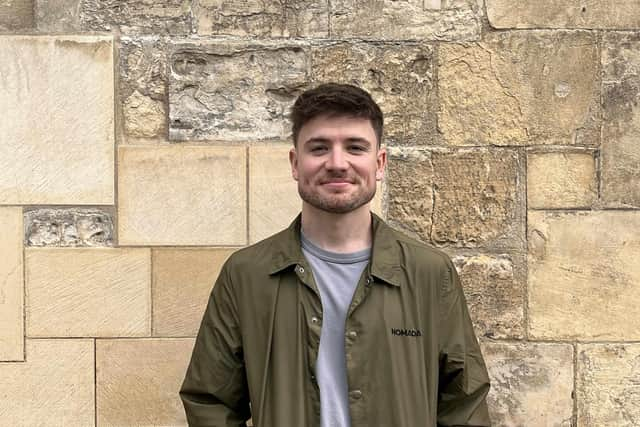
Danny Sullivan is founder and CEO of Nomada Digital, a York-based B2B search and cross-platform visibility agency with clients across the UK and New York.