
How to prepare for the coming inheritance tax shock: Helen Morrissey
We’re on the cusp of a tax change that has rocked the farming community and galvanised them into such effective action that it has forced the government to reconsider its plans.
The inheritance tax changes coming in for farms and business property next week are less dramatic than originally planned, but will still hit more than 1,000 estates a year. And it’s not the last change to inheritance tax that’s lurking around the corner. The next one is set to drag more than 10,000 estates a year into the net, so this is your timely reminder to make a plan.
Agricultural property relief and business property relief rules will change on 6 April this year. It will hit larger farms that are held until the owner passes away. The allowance means the first £2.5 million left on death is tax free. If it’s left to a spouse or civil partner, they can inherit both the assets and the allowance without paying tax – so on the second death, £5 million of assets are tax-free. The rest is taxed at 20% - rather than the usual inheritance tax rate of 40%. Previously there was no tax to pay on any of it.
For those who are affected, it will be vital to consider tax planning sooner rather than later, to manage any potential bill. However, the higher allowance and the transferability introduced at the eleventh hour has meant this is a horrible blow for a much smaller number of people. By contrast, the change due this time next year will affect tens of thousands of estates every year – pushing up inheritance tax bills by an average of £34,000 each.
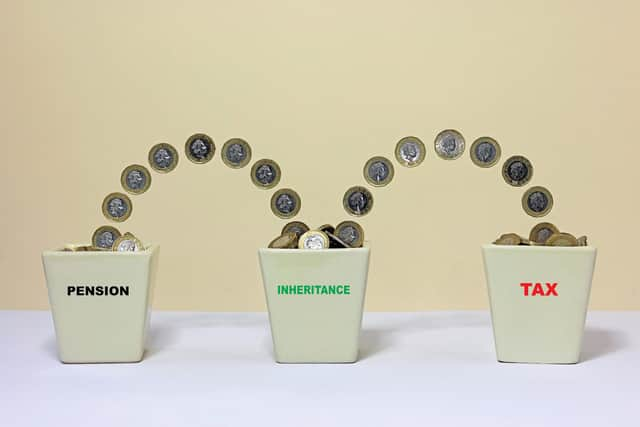

The change in question is that from April 2027, pension pots will be brought into the inheritance tax net. At the moment, pensions aren’t usually considered part of your estate for inheritance tax purposes. If the person holding the pension dies before the age of 75, defined contribution pensions can be passed on without any tax being due. If they die after the age of 75, there’s income tax at the marginal rate of whoever receives the pension, but no inheritance tax. For those with lots of savings and investments alongside their pension, it gives them an opportunity to spend other assets in retirement first and pass their pension on tax efficiently.
The government estimates there are around 213,000 people who die each year with pension wealth to leave behind. Of them, 10,500 people a year will be dragged into paying inheritance tax by the new rules, and 38,500 a year will pay more inheritance tax than they would have before the rules changed. For context, in 2022/23 (the last year we have figures for) 31,500 estates paid IHT – so this is a considerable jump. If there’s a chance you might be affected, it’s important to consider what it means for you.
The first thing to say is not to panic. Most people don’t have to worry about inheritance tax at all: in 2022/23 only around 5% of estates paid it. That’s expected to have increased in the years since, and will rise again once pensions are drawn into the net, but it won’t alter the fact that only a relatively small percentage of the wealthiest people will ever have to pay inheritance tax.
This is because before any tax is due, you have the nil rate band of £325,000, and if you are leaving your main property to children or grandchildren you also get the residence nil rate band of £175,000. Anything you leave to a spouse or civil partner is free of inheritance tax, and they also get any of your leftover nil rate bands. It means on the second death, they may be able to leave £1 million free of tax.
There are also some steps you can take with your pension to help protect yourself. As always with tax planning, it’s vital not to do things for tax reasons that wouldn’t otherwise make sense. The priority is for your pensions to meet your needs during your retirement, and only after that is tax an issue. However, some people might consider getting an annuity with at least part of their pension pot, to secure a guaranteed income while also reducing the value of their estate. There’s always a lot to weigh up when you’re considering how to take a pension income – which is one reason why it can be such a useful time to speak to a financial adviser – but this is definitely another consideration to add to the mix.
If you were previously spending other assets, in order to leave the pension intact, it gives you an opportunity instead to consider spending down your pensions, and possibly freeing up other assets to give away during your lifetime. It’s highly likely that more people will consider lifetime gifts in order to cut a potential tax bill.
You can give up to £3,000 away each year, which will fall within your annual gift allowance. If you didn’t use the allowance last year, you can roll it forward and give away £6,000. You can make any number of smaller gifts of up to £250 too, plus specific gifts for weddings. There’s a separate rule that means you can give away ‘surplus income’ inheritance-tax free too. You need to pay it from your income and have to be able to afford the payments after meeting your usual living costs. You will need to make careful notes to evidence what you have given and when. In addition to this, you can give as many gifts of any size as you want, which become potentially exempt transfers, and will fall out of your estate completely for inheritance tax purposes after seven years.
However, it’s absolutely vital not to give money away that you can’t afford. As you get older, your spending needs are likely to change, and some people will need to pay for care, so you don’t want to leave yourself short. It’s essential that your efforts to avoid lining the pockets of the taxman don’t leave you with empty pockets of your own.
£46.2 million in pension tax overpayments
In the last three months of 2025, HMRC refunded over £46.2m in tax they’d wrongly taken from people’s pensions. During that time, another 13,000 forms were submitted by people demanding refunds.
This is a long running saga that impacts people taking a lump sum from their pension for the first time. They can get taxed on what is known as a “month 1” basis, which means it’s treated as though the same amount will come out every month. This can result in a far bigger tax bill, which can come as a nasty surprise and could have a massive impact on your plans.
The money can be reclaimed. You can fill out a form and send it to HMRC, or you can wait until the end of the tax year, but it’s an admin headache and a high price to pay in terms of time, annoyance and paperwork for accessing your own money. It’s why it’s worth considering making your first pension withdrawal a relatively small one, so any tax issues are ironed out before you withdraw money you need to live on.