
How Yorkshire firms need to rethink ADHD in the workplace: Steph Nelson
Reports from NHS England have estimated unsupported ADHD costs the UK economy around £17 billion every year through lost productivity, sickness absence and workforce attrition.
But, what if the problem isn’t the potential of neurodivergent employees, but the way many employers expect them to work?
As the founder of NeuroCreators, I spend a lot of my time helping neurodivergent people and organisations find more sustainable, neuroinclusive ways of working. And I believe Yorkshire businesses need to start looking at ADHD and neurodiversity as much more than an HR issue. Because this is about people, yes. But it is also about productivity, retention, performance and talent.
I know this because I’ve lived it. I was a high achiever. I excelled academically, progressed quickly in my career and, from the outside, looked like someone who was doing well. But internally, I was burning out. And, for years, I was living in the gap between what I was capable of and what I could sustainably deliver.
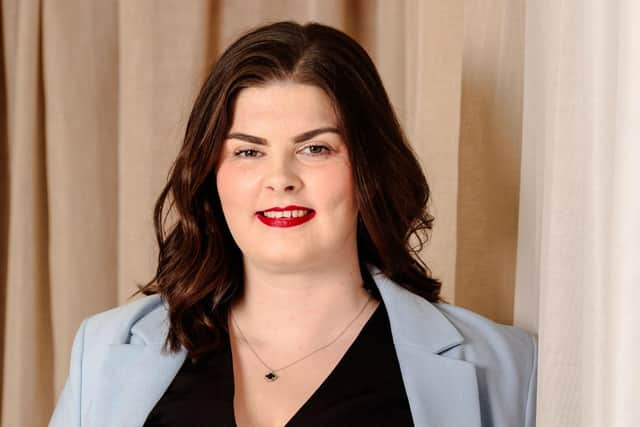

It was only later that I recognised many of the challenges I had experienced were connected to being AuDHD, a combination of autism and ADHD diagnosed when I was 28.
NeuroCreators was born from my own experience of living in the gap between ‘high potential’ and hitting the wall.
I realised that the problem wasn’t that I wasn’t capable. It was that many of the systems, expectations and productivity advice I was following simply weren’t designed for a neurodivergent brain.
That distinction matters enormously in the workplace. Because, too often we focus on what neurodivergent employees struggle with. We talk about organisation, time management, distraction or communication. We can end up looking at the person as the problem, rather than asking whether the environment is helping them perform at their best.
What would happen if we flipped that around? What if, instead of asking, “How can we make this employee fit the way we work?”, we asked, “What do they need in order to do their best work?”
That doesn’t mean creating a completely different workplace for every individual. Often, relatively small changes to communication, meetings, workload, flexibility or the working environment can make a significant difference.
It also means recognising strengths. The employee who appears distracted may have exceptional creativity. The person who struggles with conventional processes may be an incredible problem solver. Someone who finds switching between tasks difficult may have an extraordinary capacity for deep focus.
We need to stop seeing neurodiversity solely through the lens of deficit.
Through my work with NeuroCreators, I combine lived experience with neuroscience, psychology and more than seven years of experience in education, alongside neuroinclusion consultancy. I’ve worked with organisations including NHS England, Leeds Beckett University and the West Yorkshire Health and Care Partnership, as well as consulting with organisations with workforces of more than 60,000 people.
One of the biggest lessons I’ve learned is that standard productivity advice can sometimes lead neurodivergent professionals towards shame rather than success.
That is why I want to see a shift from neurodiversity awareness to neurodiversity action. Yes, awareness months and workplace policies have their place, but inclusion can’t stop at a poster, a training session or a tick-box exercise. If businesses are serious about productivity and retaining good people, they need to understand the different ways people work and think.
The question businesses should be continually asking is: “Are we creating workplaces where neurodivergent talent can actually thrive?”
Steph Nelson is founder of NeuroCreators Training and Development