
Iran war impact on mortgages worst since Truss's Mini-Budget - but not as bad
The Iran conflict has triggered the sharpest shock to the UK mortgage market since Liz Truss’s infamous 2022 ‘Mini-Budget’ – but has not surpassed it.
New analysis by Moneyfacts show mortgage deals have been rapidly repriced over the last month. Average two-year fixed rates jumped +100bps in a month (4.84 per cent to 5.84 per cent), with five-year fixes up +79bps (4.96 per cent to 5.75 per cent), marking the sharpest rise since autumn 2022.
In comparison the response to the 2022 Mini-Budget, which included £45bn of unfunded tax cuts and led to Chancellor Kwasi Kwarteng and Liz Truss both leaving their roles, saw two-year fixes jump +181bps (4.74 per cent to 6.55 per cent), with five-year fixes increasing by +168 bps (4.75 per cent to 6.43 per cent).
Mortgage availability has fallen by a net 1,283 products (17 per cent of the market) in one month, compared to a drop of 22 per cent in the wake of the Mini-Budget.
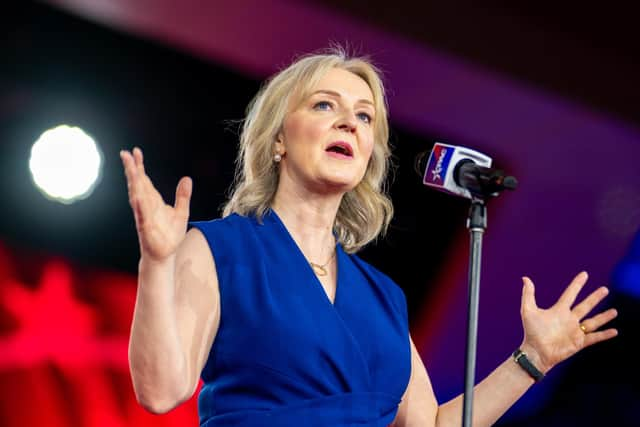

Adam French, Head of Consumer Finance at Moneyfacts, said the impact has been substantial for homeowners.
“The conflict in Iran quickly upended rate expectations and sent borrowing costs skyrocketing in the biggest shock to the UK mortgage market since the aftermath of the 2022 mini-Budget.
“Average mortgage rates have risen at pace, with two-year fixes increasing by 100 basis points from 4.84 per cent to 5.84 per cent in just one month and five-year fixes up by nearly 80 basis points, from 4.96 per cent to 5.75 per cent.
"The cheapest deals available to borrowers have moved dramatically too, the lowest two-year fixed rate at 60 per cent LTV has increased by over 100 basis points from 3.51 per cent to 4.60 per cent.
"While this falls short of the extreme jumps seen in the aftermath of the mini-Budget, it is still a sharp and sudden shift that has materially worsened affordability in a very short space of time.
“For many borrowers, the cost could be significant. Someone taking out a typical two-year fix will find it costs £150 more per month on average compared to just a few weeks ago.
"However, the real payment shock will be felt by those coming off older five-year deals, where rates have more than doubled, pushing up repayments by many hundreds of pounds per month.
“The combination of rising rates, reduced choice and heightened volatility means borrowers and brokers are operating in a market where timing is critical and the window to secure competitive deals can be very short-lived.
"Unfortunately, anyone looking to buy or remortgage this year needs to prepare for substantially higher borrowing costs than expected before this conflict began.”