
Loan charge: Why Public Accounts Committee must probe 'catastrophic policy': Greg Wright
Historians will surely recoil when they study the horrors of the loan charge, a catastrophically flawed policy which has been linked with 11 suicides and, according to new evidence uncovered by MPs, inflicted considerable costs on the taxpayer.

The All-Party Parliamentary Loan Charge & Taxpayer Fairness Group has rightly called on the Public Accounts Committee (PAC) to open a formal investigation into the charge after canny use of Freedom of Information requests exposed the terrible scale of this scandal.
Let’s start with the appalling human cost. The APPG’s letter to PAC chair Sir Geoffrey Clifton-Brown MP highlights the fact that thousands of people, including contractors, locum and freelance workers on modest incomes, found that they faced huge unexpected tax bills in connection with the loan charge for using arrangements that were recommended to them by professional advisers, including chartered accountants, with “HMRC not warning those who began to use the schemes not do so and only then contacting them years later to say they had retrospective tax demands”.
This approach has traumatised many of the individuals and families involved.
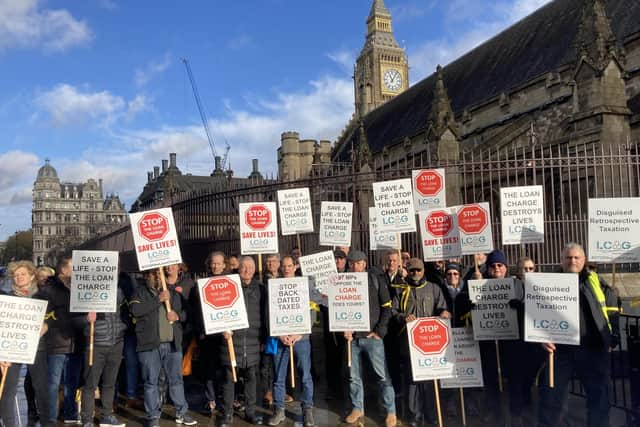

The letter states: “The recent report of the McCann Review into settlement terms included the heartbreaking news that an eleventh person has killed themselves facing the Loan Charge and associated action. There have also been documented attempted suicides, also reported by HMRC to the Independent Office of Police Conduct as well as bankruptcies, divorces and breakdowns, as well as loss of careers and incomes, all of which have an impact on the public finances.”
If this wasn’t bad enough, the MPs say they have now established that, since 2019, the approach taken by HMRC has come at a considerable expense to the taxpayer.
The letter continues: “At the same time, the recent report by former Assistant Director of HMRC, Ray McCann, has revealed that the annual costs of Loan Charge/related activity has cost £31 million a year since 2019. The report says that HMRC estimates their current total annual ‘DR [disguised remuneration] compliance resource’ cost to be around £41 million per year, with Loan Charge compliance making up £31 million of this.” To quote Mr McCann’s review: “This is – perhaps – the figure that shows just what a stalemate the Loan Charge saga has become.”
The MPs describe this as an “extraordinary statistic” which surely merits scrutiny from the PAC. Sir Geoffrey Clifton-Brown said the committee could potentially look at the loan charge again and will consider the APPG's submission carefully. An HMRC spokesperson told me that, following the 2025 Loan Charge Review, the Government agreed a new settlement offer, “and we are working with our customers to help bring this matter to a close”. HMRC stresses it has been “open and honest” with the PAC and Parliament about the loan charge and senior officials regularly engage with MPs.
It’s vital that HMRC continues to work with MPs, but especially the PAC, to ensure that lessons are learned to prevent this “debacle” from ever happening again.
Greg Wright is the deputy business editor of The Yorkshire Post