
Rise of Chinese brands putting 'huge pressure' on British car manufacturers, says Synergy MD
The rise of Chinese car brands in the UK is putting ‘huge pressure’ on traditional British brands, Synergy MD Will Voisey tells Michael Crossland.

Will Voisey first joined the motor industry at the age of 18, having just left school. Now aged 44, and managing director of car leasing firm Synergy, Voisey has seen a number of major shifts in the sector, from the rise of electric vehicles (EVs) to the recent launch of AI.
But according to Voisey, the sector is currently going through one of its biggest shifts yet, as the increasing popularity of Chinese brands upends the UK market, and potentially even threatens British manufacturers.
“For us as a business, there's been a huge shift in the product mix that we've been selling,” says Voisey, speaking from Synergy’s Harrogate base.
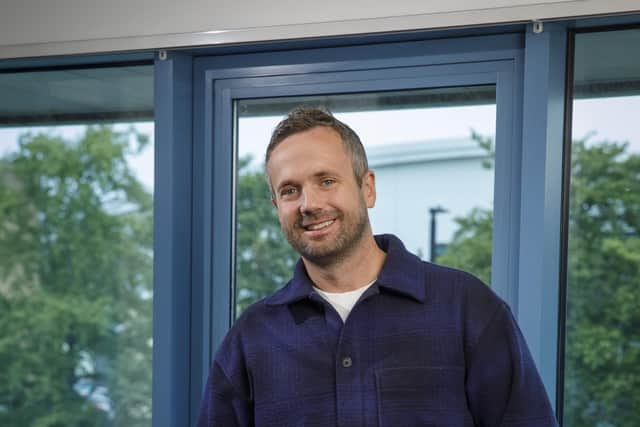

“I have openly embraced these manufacturers because they are producing some fantastic cars, and we can be seen as a shop window for them to come into the marketplace.
“I flew out to China for a week to go and visit one of the factories, for this brand that we've done big volume with, and it's absolutely phenomenal what they're doing.”
In around two years, Synergy has gone from single digit percentage numbers for the amount of Chinese cars it leases to just one Chinese brand accounting for 10 per cent of its overall leases over nine months.
As of last month, over 300,000 Chinese cars had been sold in the UK so far this year, with Chinese carmakers making up five of the top 25-performing brands, according to The Society of Motor Manufacturers and Traders.
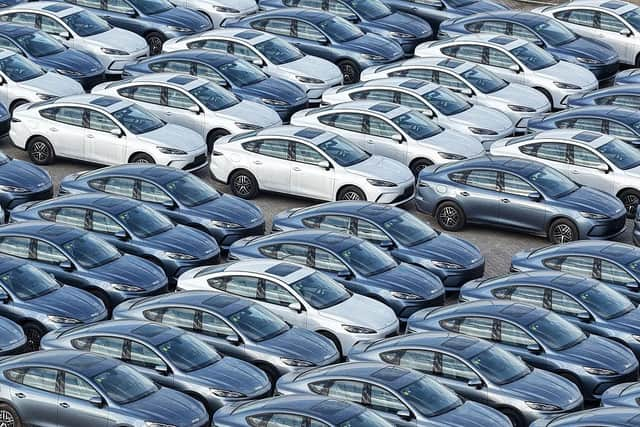
But with huge Chinese car brands including BYD and Jaecoo now cemented in the UK market, Voisey believes the uptake of Chinese vehicles could pose a threat to traditional British manufacturers.
“They are here to stay,” he says.
“Not all of them, because there's tons of names even I don't know that are apparently coming to the marketplace right now, but some of them are here to stay, and it puts huge pressure on some of the traditional manufacturers that we've known for years.
“I think there's still space for a lot of the manufacturers, but some of these traditional brands might not be able to build a car for what these Chinese manufacturers are actually retailing them for in the UK. That's when they've got a problem.
“It's a shame to lose any brands, but I think there will be casualties at some point.
What Voisey describes can already be seen.
In September, Jaguar Land Rover confirmed plans to axe 4,000 jobs across its global workforce over the next two years, as part of efforts to slash costs by £1.7bn.
While a major cyber attack and President Donald Trump’s trade tariffs played a role in the decision, the company had also been facing intense competition from cheaper Chinese electric vehicles.
September also saw Volkswagen announce that it had approved a plan to cut 50,000 jobs, bringing the total number of roles to 100,000 that the company plans to shed by 2030.
Another major shift seen by Voisey over recent years is the uplift in people taking on EVs.
One of the major factors in this, he says, is the volatility of fuel prices.
“I think fuel prices are definitely driving more people to start to consider an electric vehicle,” he says.
“They'll realize it's costing them £80 or £90 to fill up a tank, and they hear the stories about charging a car and how if you get home charging, and charge it at the right periods, it can be really cost effective.”
According to Voisey, the initial anxieties of switching to electric vehicles, seen widely amongst consumers around the initial launch of the technology, are now also starting to drip away.
“I think people have a bit more confidence that actually, it's not that difficult, and all the myths or anxiety that people had that made them not want to switch to electric are gone,” he says.
“Cars will charge faster. They will go further. And that anxiety about range, and running out of electric, and not being able to do certain journeys, is going. Some cars still don’t have a fantastic range, but say a car's got a 200 mile range, not many people do more than 200 miles on a journey anyway. It's just changing the habits.
“I also think that access to vehicles and the affordability of electric vehicles is now far greater than it was when they started
“The anxiety and the questions we get asked as a business are definitely changing, and people are actually coming to us wanting an electric car.”
While EVs may be growing in popularity, this week has seen controversy around the Government’s plans to potentially cut targets for their uptake.
Earlier this week, Prime Minister Andy Burnham insisted no decision had yet been made on changes to EV targets amid reports the Government is preparing to slash totals.
The Government launched a consultation in August on the zero emission vehicle mandate amid concerns from carmakers about the impact of the order to phase out the sale of purely petrol or diesel cars and vans.
The current regime requires 80 per cent of car sales to be zero emission – usually electric-powered – by 2030, with hybrids allowed to make up the rest.
While Voisey has an eye on EV technology, and what it might mean for the market, he is also keeping his attention on the rise of AI.
Though keen to embrace AI, Synergy is making sure that the tech is used to compliment a human approach, not replace it.
“There are hundreds and thousands of different AI tools out there for us to consider, but finding the right one that complements the human element of the business and helps us improve our process is challenging,” says Voisey.
“We need to embrace it, whether that's a kind of follow-up process, a way to get information to customers, or a live chat potentially. It would be easy to just throw loads at it, but then we'd run out of money, because you could spend a fortune. Our business has been trading 20 years this year. We've developed a way to run a business without AI over that time. You can't replace that.”