
Ryanair and Wizz Air passenger numbers grow in December despite fog disruption
Budget airlines Ryanair and Wizz Air both saw growing numbers of passengers in December, despite disruption to UK flights over the Christmas period.

Ryanair carried 13.6 million passengers in December, up 8 per cent on the same period last year.
Wizz Air, meanwhile, carried 5.1 million passengers, up 1.9 per cent year-on-year.
It comes after disruption to flights over the Christmas period at several major UK airports due to bad weather.
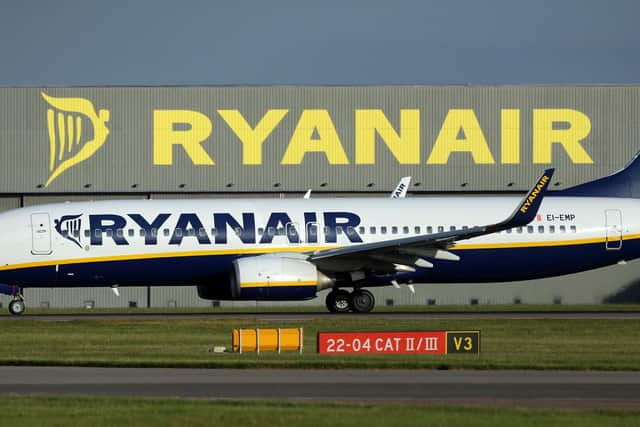

Stansted, which is Ryanair’s main airport in the UK, suffered disruption because of foggy conditions.
And Gatwick airport suffered more than four days of fog-related flight disruptions in the week between Christmas and New Year.
Ryanair said it operated more than 77,000 flights in December, with a load factor – a metric used to indicate how full flights are – of 92 per cent.
It means the Irish airline carried 197.2 million passengers for the whole of 2024, up 8 per cent on 2023.
Despite rising passenger numbers, airlines have seen average fares decline of late, amid pressure on consumer spending.
Ryanair, which is led by group CEO Michael O’Leary, said in November that its average air fare declined by a tenth in 2024, which hit its profits.
Higher interest rates and efforts to offset higher living costs among customers have meant airlines have been forced to drop prices.
Wizz Air’s rolling total for the year came to 62.7 million passengers, up 3.9 per cent on the previous year.
Commenting on the data, AJ Bell investment director Russ Mould said: “Despite the impact of weather disruption, Ryanair and Wizz Air both saw passenger numbers climb in December.
“This concluded a year of passenger growth but average fares have been coming under pressure as operators have been forced to reduce prices to entice hard-pressed consumers to continue booking flights.
“At least the sector has seen one of its major cost pressures ease as fuel prices came down significantly in 2024. However, with oil creeping higher in the first knockings of 2025, fuel costs could still return as a meaningful headwind for the industry.”