
SCI Semiconductor: Yorkshire firm raises £2.5m to develop world’s first ‘memory safe’ computer chip
A Yorkshire start-up has raised £2.5m funding to help it develop the world’s first “memory-safe” computer chip.

Sheffield-based SCI Semiconductor aims to resolve the problem of memory safety, which is a key factor in around 70 per cent of cyber attacks.
The company said the new funding will enable it to build a team of engineers in its home city and bring its product to market.
The firm has already signed up a number of key customers including Google Research.
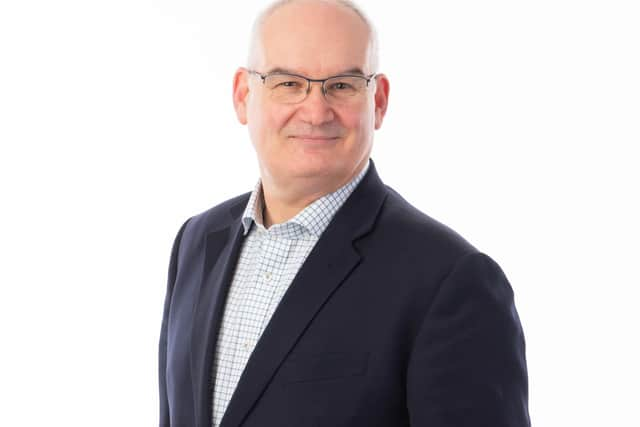

Haydn Povey, CEO of SCI, said: “Cybersecurity is second only to global conflict in terms of factors affecting the economy. Memory safe chips have been shown to prevent 70 per cent of all attacks and would enable organisations to continue using existing software with complete peace of mind.
"Developing a new generation of chips here in the UK will also help to ensure supply chain security and restore the country’s position as a leader in semiconductor technology.”
Traditional programming languages – on which Microsoft’s Windows and many industrial operating systems are based – allow memory to be freely accessed, which provides flexibility for software developers but also creates vulnerabilities.
This means coding errors or flaws can be exploited by hackers or bring down entire systems – as in the 2024 CrowdStrike event when a faulty software update affected companies worldwide.
Current attempts to achieve memory safety, such as transitioning to more modern languages or introducing stricter development methods, are often seen as too costly or impractical.
SCI said its chip will enforce security by dividing memory into compartments and tightly controlling how it is accessed. The firm claims that the product would reduce cybersecurity costs and remove the need for constant patching.
SCI raised the £2.5m in a round led by Mercia Ventures. The investment came from NPIF II – Mercia Equity Finance, which is managed by Mercia as part of the Northern Powerhouse Investment Fund II (NPIF II), and also angel investors from the UK and Silicon Valley.
Will Schaffer, investment director at Mercia Ventures, said: “Memory safety has been a problem for years but until now has been a secondary priority.
"However with the world becoming more dangerous, government and industry have woken up to the dangers.
"Despite collaboration between the big tech companies, no one has yet managed to build a silicon chip that addresses the issue. The funding will help SCI to win the race for memory safety and deliver next generation security.”