
Shocking Samantha Wall case should be national wake-up call on online trolling: David Richards
On October 24 2025, at Minshull Street Crown Court in Manchester, 55-year-old Samantha Wall was sent to prison for a campaign of online stalking and harassment against two local business figures.
She received 28 months after admitting she had waged a year-long crusade against motivational speaker Brad Burton and businesswoman Naomi Timperley.
Wall met Burton for little more than a moment at a business event in 2019. That fleeting interaction became the spark for thousands of posts across LinkedIn, Facebook, Instagram and X. She claimed he had poisoned her cat, slashed her tyres, smashed her windows and fitted her with a tracking device.
She even invented a fictional psychopathic twin brother to keep her fantasies alive. None of it was real. Every allegation was fabricated. All of it was designed to cause maximum harm.
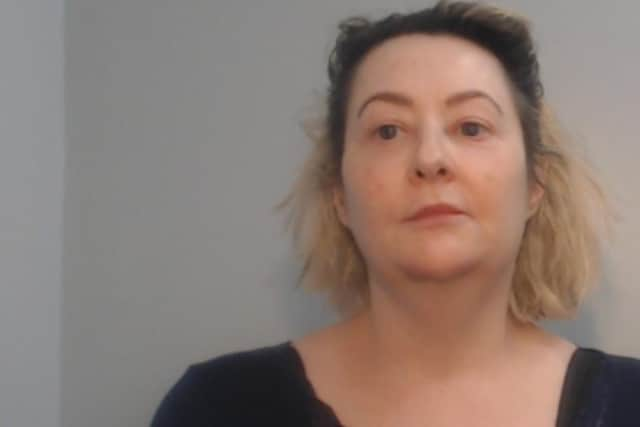

The judge described her actions as an unrelenting barrage of abuse designed to maximise fear and distress. Burton has spoken of reaching a moment where life felt impossible. Timperley endured more than two years of lies and veiled threats that left her worried for her family.
Both victims kept records, took screenshots and fought for police action that should never have required such persistence.
Their cases should have been dealt with far sooner. Too often, online stalking is still treated as a quirky fringe issue rather than a form of violence that leaves no bruises.
If someone stood outside your house every day with a megaphone, hurling accusations, the response would be instant. The digital equivalent is frequently minimised or waved away as drama.
The social media platforms came out of this no better. Complaints were made. Evidence was supplied. Nothing happened. Posts that would be removed instantly for trivial infractions were allowed to remain even when they were defamatory, malicious or threatening. Much of the abuse is still visible today. These companies preach about community and connection.
Those words mean nothing if they tolerate the destruction of reputations in plain sight.
The Wall case should be a national wake-up call. Trolling has evolved. It is not colourful chaos or anonymous taunting.
It is relentless, strategic and often obsessive. Trolls drip poison over months and years. They distort, invent, edit and re-edit their words. They rely on bystanders staying silent and victims becoming too exhausted to push back. They rely on the myth that online harm is somehow less real.
And the harm is not limited to headline cases. In the past fortnight, a woman working in the northern tech ecosystem shared with me privately how corrosive the drip feed of online hostility has become. She has spent years trying to make the regional economy stronger for founders from every background.
Her reward has been a steady stream of commentary about how she is irrelevant, incompetent and, most recently, about her appearance. She joked about it at first. Then she admitted that the constant judgment had been awful. She is not the first to tell me this, and she will not be the last.
This is the reality for people who step forward in business, civic life and the public sector.
The more they try to build something, the more they become targets. Not for debate, but for ridicule. Not for disagreement, but for lazy cruelty that platforms enable and rarely punish.
We need a cultural reset. Police forces must take digital harassment seriously. Prosecutors must treat stalking as the crime it is, whether the threats arrive in person or through a screen.
Platforms must enforce their own rules and stop giving free amplification to lies. The rest of us must stop telling victims to ignore it or toughen up.
A keyboard is not a shield. A platform is not a licence. And violence does not need bruises to be real.
David Richards is managing partner of Yorkshire AI Labs