
Some competitors will struggle to survive if oil prices stay high, says Ryanair
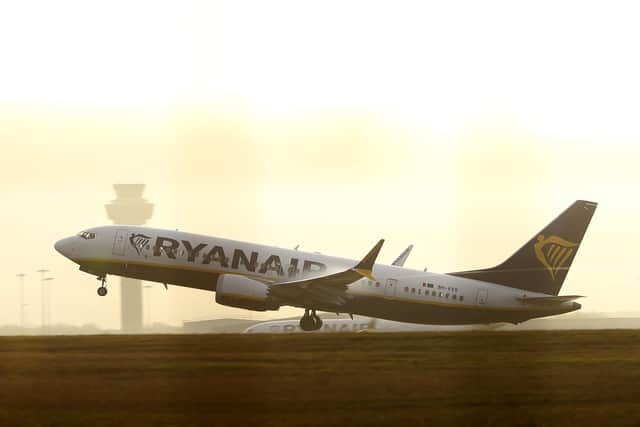
Ryanair has warned that it believes some competitors will “struggle to maintain capacity or even survive” this winter if oil prices remain high.

The Irish airline also said that airfares on short-haul flights are likely to increase “materially” if high oil prices continue into 2027.
It also cut its air traffic target for next year on the back of efforts to use less unhedged fuel over the winter period.
It comes after a fresh uptick in oil prices linked to a recent intensification in the conflict in the Middle East.

The average price of jet fuel has risen 8.2% month-on-month to around 156 US dollars per barrel, and is 74.2% higher over the past year, according to the International Air Transport Association (IATA).
Ryanair stressed that around 80% of jet fuel for 2027 is hedged at 67 US dollars per barrel, making it well placed to record another profitable year.
However, it said the high cost of unhedged fuel means that it is “sensible” to reduce its exposure during the unprofitable winter schedule between November and March.
As a result, Ryanair has reduced its 2027 air traffic target from 216 million to 214 million passengers to limit its use of expensive unhedged oil.
Air traffic over the winter period will be “broadly flat” compared with the previous year as a result.
The company said: “If high oil prices continue through to 2027, Ryanair believes short-haul airfares in Europe will increase materially to reflect higher oil prices, as some less well-hedged competitors will struggle to maintain capacity or even survive this coming winter season.”
Ryanair added that it is still on track to grow its summer traffic, representing the period between April and October this year, by more than 5% to 145 million.
Elsewhere, rival Wizz Air reported that its passenger numbers grew by 25.9% last month compared with a year earlier, driven by a jump in flight capacity.
Commenting on the performance of global markets, Richard Hunter, Head of Markets at interactive investor, said: “Historians will point to the fact that September is a traditionally trying month for investors, and the first day of trading did little to upset that trend as global equities fell and bond yields continued their upward ascent.
“The resumption of the military spat between the US and Iran has done little to calm markets, with the oil price pushing higher again to over $95 per barrel, an increase of 57% since the beginning of the year. This exacerbates inflationary concerns once more, at a time when governments are being increasingly punished by high levels of indebtedness by paying more to service the debt, let alone raising fresh capital for funding purposes.”