
Tax-free shopping for overseas tourists 'could provide £300m and 6,000 jobs boost to Yorkshire'
Yorkshire and Humber stands to gain more than £300m annually in additional international visitor spending, creating an extra 6,000 jobs, if the Government introduces tax-free shopping for overseas tourists, a new report has claimed.
In its submission to the Northern Growth Strategy consultation, the Association of International Retail (AIR) says the York and North Yorkshire mayoral area would be the biggest potential regional beneficiary from such a policy, with an extra £106m in spending and an associated 3,920 jobs.
It would be followed by West Yorkshire with an estimated £100m annual benefit and 2,000 jobs.
Following Brexit, in 2021 the Government chose to end tax-free shopping for non-EU visitors rather than extending it to EU residents.
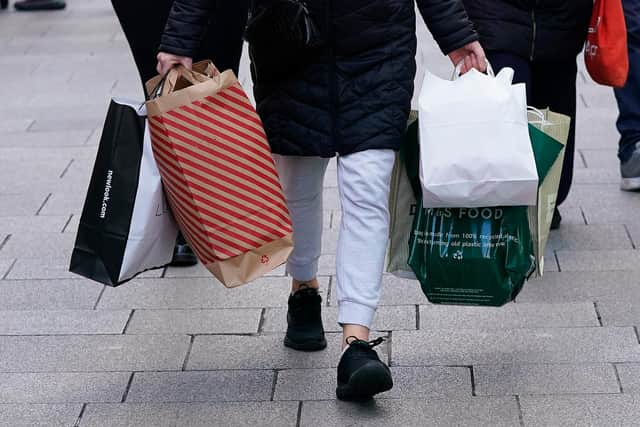

AIR is calling on ministers to commit to a review of the impact of tax-free shopping in the upcoming National Visitor Economy Growth Strategy this autumn, based on all the new evidence now available.
The report states: “This additional spending is predominantly in town and city centre businesses such as shops, hotels, restaurants and bars, meaning that this measure would add directly to the government’s high street support programme. In 2019, the largest number of VAT refunds in Britan were made to customers of Primark.
"Under the Prime Minister’s regional fiscal devolution proposals these significant additions to overnight visitor numbers, visitor spending, hospitality and retail jobs, and economic growth will all contribute directly to increasing the funding of Metro Mayors through increased overnight visitor levy, income tax and business rates.”
It added: "We are not expecting the Government to accept industry-produced figures. This is why our ask is for a Treasury and OBR review of the fiscal impact based on the evidence now available on how tax-free shopping influences international traveller behaviour.
"Since Britain became the only large European country not to offer tax-free shopping to non-EU visitors, this competitive disadvantage has made it less attractive to international investors in retail and hospitality. We are aware of several global brands that have downgraded their long-term capital investment plans for the UK and diverted the spending to other EU countries because of their tax-free shopping advantage.
"Italy recently used tax-free shopping to provide a multi-billion euro boost to its regional economies. Italy used innovative tax-free shopping to grow Chinese visitor spending from €4.4bnin 2019 to €11.7bn in 2025 and divert visitors away from traditional hot spots into its under-explored regions.”
Paul Barnes, chief executive of the AIR: “When the EU extended its tax-free shopping scheme to Britain’s 66 million residents in 2021, it created a totally new market worth around £5bn last year. Having left the EU, Britain has a unique opportunity to become the only major European country where a market of 450 million EU residents, seven times bigger than Britain, could shop tax-free.
“Currently, half of all spending by EU visitors is outside London, which is why introducing a fully digitalised, modern tax-free shopping scheme would deliver a transformative boost directly to high street and travel businesses. It would also produce millions of pounds for the Treasury from the VAT raised from additional spending in hotels, restaurants, leisure and cultural attractions.”