
'There's a lot of risk out there': Could multiple economic shocks hit UK at once?: Greg Wright
Financial professionals of a certain age will feel a chill down their spines whenever they recall the events of September 15 2008.

It was the day the investment bank Lehman Brothers imploded, spreading panic around the global financial system and triggering Government bailouts of eye-watering scale. The damage took years to fix; but it has led to the creation of a safer global financial system. The price of stability is eternal vigilance. A senior Bank of England official has provided food for thought, warning that global stock markets could fall, because asset prices remain high despite rising economic risks. Deputy governor for financial stability Sarah Breeden told the BBC current share prices did not yet reflect the scale of economic pressures facing markets.
“There’s a lot of risk out there and yet asset prices are at all-time highs,” she said. “We expect there will be an adjustment at some point.” The deputy governor added the thing that keeps her “awake at night” was the likelihood of multiple economic risks hitting at once.
“A major macroeconomic shock, confidence in private credit goes, AI and other risky valuations readjust – what happens in that environment and are we prepared for it?”
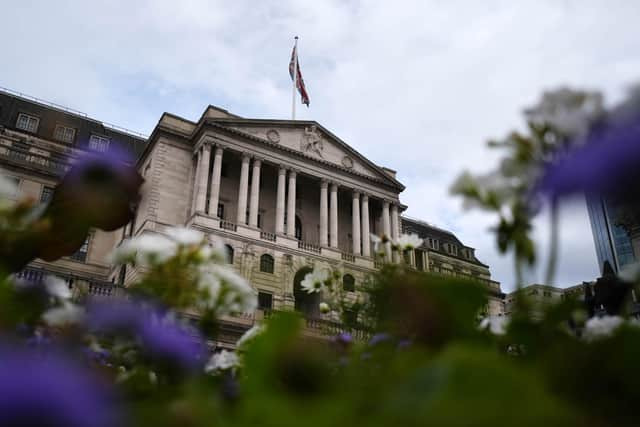

Ms Breeden is right to express caution. There are, for example, increasing regulatory concerns surrounding the private credit market as a source of financial risk in the UK and worldwide, given the layers of complexity in the sector. The private credit market has expanded rapidly to around $1.8 trillion in the US and vulnerabilities among borrowers are emerging, with default rates now over 5 per cent and likely to move higher. Requests for fund redemptions are also increasing. So how worried should we be? Analysts at Oxford Economics say that stresses in the private credit market reflect “very real” problems in the sector, but they don't think there is a major risk to financial and economic stability. That would require problems in the private credit sphere to spill over substantially into broader public credit markets, which Oxford Economics believes is unlikely. The private credit market remains less than 3 per cent of total US private debt. The subprime mortgage market was of a comparable size in 2006 and “massive spillovers” from subprime to other credit segments eventually triggered the global financial crisis. However – unlike the period prior to the financial crash - we are not in a major credit boom, according to Oxford Economics, with US private sector leverage declining in recent years.
That doesn’t mean some of the banks won’t experience pain.
"Banks' exposure to private credit looks moderate at around $300bn, but their exposure to other non-bank financial institutions is an additional $2tn and has been rising quickly,’’ says Oxford Economics. “Insurers, whose exposure to private credit is around $1tn, could also suffer negative consequences, although the impact would be likely to be more of a slow burn.” The prudent actions to ensure banks are much better capitalised today than they were in 2007 should contain this risk. But the energy crunch and a potential re-assessment of the value of AI-related companies could still cause sleepless nights for central bankers.
Greg Wright is the deputy business editor of The Yorkshire Post