
This is why the average UK house price flatlined last month
The average UK house price flatlined last month as mortgage rates edged higher in the face of global economic uncertainty, according to new figures.

Property values for July reported no growth compared with the previous month, slowing down from 0.2% growth in June, according to the monthly Lloyds house price index.
Across the UK, the average property value in July was £299,253.
It also meant that house prices were 0.1% higher than a year earlier, the weakest annual increase since November 2023.
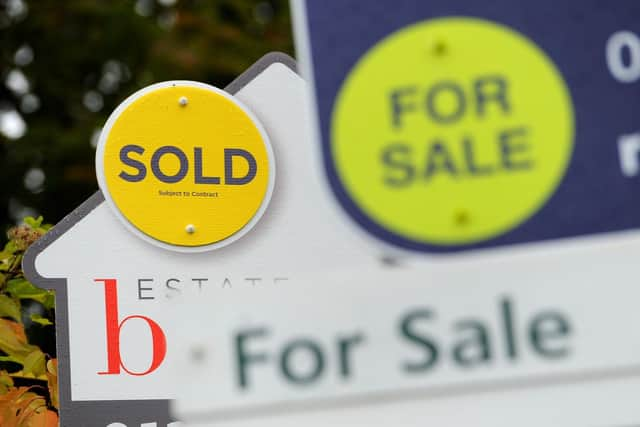

Northern Ireland saw the strongest growth in prices across the UK, with prices up 7.4% year on year for July at £231,131.
It compares with 3.6% growth in Scotland and a 1.6% increase in Wales.
Meanwhile, increases in northern areas of England were offset by weakness in the south, with prices in the south east down 2% and those in Greater London down 1.3%.
Amanda Bryden, head of mortgages at Lloyds, said the UK housing market “remained steady” in July.
She added: “Average house prices have remained relatively stable for almost two years, moving within a narrow range over that period and sitting just 0.5% higher than they were in November 2024.
“That trend has persisted even as buyers and sellers have faced a more uncertain economic backdrop this year.
“Affordability remains a challenge for many would-be buyers and, following recent events in the Middle East, mortgage rates have edged higher again after easing earlier in the summer.”
It comes after lenders have been hiking their mortgage rates in recent weeks, despite the base rate being held at 3.75%.
The Bank of England kept rates unchanged again last week, but cautioned inflation was set to rise by the end of the year due to the Iran war and signalled it stood ready to hike if the conflict and its effects on prices was prolonged.
Ms Bryden added: “Looking ahead, we expect market activity and house prices to remain relatively stable over the remainder of the year.
“Developments will be shaped by both how mortgage rates respond to the outlook for inflation and wider household confidence.”
AJ Bell head of personal finance Sarah Coles said: “House price movements have had all the ease and comfort of a ride with a learner driver recently, and after edging upwards in June, July saw them stall again.
“Sellers may be worried that we’re set for falls in the coming months, but they still have some options.
“Mortgage rates have been nudging upwards in recent weeks, which hasn’t helped bolster buyer enthusiasm. Meanwhile, global uncertainty coupled with domestic change makes people wary about making a major financial commitment.
“The jobs market is weighing on confidence too, with the unemployment rate at 4.9 per cent – higher than last year – and vacancies falling again.
“When house price rises slow to a standstill it can raise concerns that a flat-lining market could tip over into a falling one. This has already happened in some areas of the south, so isn’t out of the question. In softer markets, sellers will need to work harder.
“This starts with pricing realistically, but also includes looking at your home with a more critical eye, and dealing with anything that could put buyers off.
“Your choice of estate agent matters more in a difficult market too, so ask about their approach to marketing and for evidence that they have had success in selling homes like yours.
“It’s worth getting all the paperwork in place too, so you can move fast once you get an offer.