
We're having the wrong conversation about ADHD: Mathew Sidebottom
The national debate about ADHD has been preoccupied with a single question: are too many people being diagnosed? It’s the wrong question.
And while we argue about it, employers in Yorkshire and the rest of the UK are quietly absorbing the cost of a far bigger problem.
The evidence is unambiguous. Around 3 per cent to 4 per cent of UK adults are estimated to have ADHD. In England, that’s around 2.5 million people, including those without a formal diagnosis. A study of nine million UK GP records found that just 0.32 per cent had a recorded ADHD diagnosis.
The gap between those two numbers is not a sign of overdiagnosis. It points to a recognition problem. The vast majority of adults with ADHD in this country don’t know it. Many of them are in your workforce right now.

Research has found that adults with ADHD lose around 22 days per year in effective work performance, through absence and presenteeism combined. That’s not a personal failing.
It is what happens when someone spends years without understanding why certain things are harder for them, and without the adjustments that would help.
Undiagnosed ADHD doesn’t disappear because it isn’t named. The cost is there: in underperformance, churn, and capable people leaving roles they could have excelled in.
The question isn’t whether this affects your organisation. It’s whether you’re acting on it, and that means looking at the whole picture.
Many of the most driven and creative people in any organisation are neurodivergent. ADHD in particular is associated with intense, sustained attention on things that matter (sometimes called hyperfocus) that organisations actively want.
These are often your most inventive thinkers and most relentless problem-solvers. Whether that potential is realised often comes down to whether they have the right support around them.
In practice, this can look like the salesperson who outperforms everyone else in the room when they’re genuinely interested in what they’re selling, but struggles to get through administrative tasks. Or the manager who thrives in a crisis, but finds routine maintenance work almost impossible to sustain. Or the creative lead who generates more ideas in a single meeting than most people do in a month, but needs structure to see things through.
They’re common profiles, not outliers, and most managers will recognise at least one of them.
The difference between those people flourishing or burning out usually comes down to one thing: do they have the support and adjustments that let them work in the way that suits them?
Often the adjustments are modest: clearer priorities, less context-switching, written briefs. But the return on those small changes can be significant.
For employers, the question worth asking is not ‘What’s the label?’ but ‘What’s making work harder, and what would help?’. That applies whether someone has a formal diagnosis or not.
The national conversation around ADHD assessment will continue. But Yorkshire’s business leaders don’t need to wait for it to resolve. The people struggling without answers are already in your teams. The practical question is what you’re doing about it.
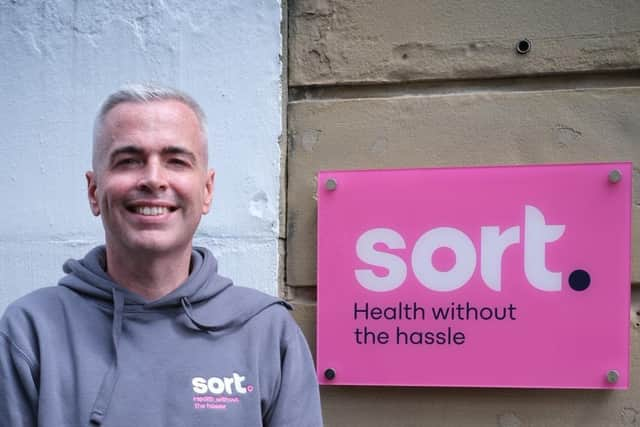
Mathew Sidebottom is Director of Sort Health, a private adult ADHD assessment service based in West Yorkshire.