
Why cancelling Football Manager 25 was a wise business decision: David Richards
In the early 90s I lived in a grimy student house with five other blokes and one battered PC that had seen better days. Someone had loaded a new game called Championship Manager onto it.
Within days our lives revolved around that machine. I was leading Hartlepool United out of Division 2. My housemates were battling away with other lower league sides. The graphics were nothing more than coloured dots darting around a green pitch, but the game was hypnotic.
Transfers, average ratings, obscure teenagers from Manchester United’s reserves. Hours vanished while we lived on Pot Noodles and blind optimism.
Fast forward three decades and my son and his friends are doing exactly the same thing. The game is now called Football Manager. The databases are vast and the tactics are deeper, but until very recently the players were still represented by those familiar little dots.

One of his friends even puts on a suit for the FA Cup final. Some traditions deserve to endure.
Which is why the cancellation of Football Manager 2025 surprised so many. An annual release with a global cult following was scrapped completely. The studio admitted that despite years of work, the new version was not good enough.
The team had tried to move from their old in-house engine to a modern third-party platform and found it far harder than expected. Releasing a broken game would have been worse.
This is a familiar story in technology. The culprit is technical debt. It sounds like jargon, but it is one of the most destructive forces in modern business.
Technical debt is the price of choosing the quick fix over the correct one. Ward Cunningham, who coined the term, compared it to taking out a loan. You gain speed today but pay interest tomorrow. Most organisations forget about the debt until the interest becomes unbearable.
Consider the Windows registry. Created in the early 1990s as a central store for configuration settings, it made sense when hard drives were small. Decades later it has become a labyrinth that Microsoft must tiptoe around.
The company does not publish the cost, but the scale is obvious. If only a few thousand engineers lose a day each month wrestling with registry issues, the annual bill lands in the tens of millions. Add support calls, broken compatibility and abandoned features, and the real total is far higher.
There are more dramatic examples. In 2012 Knight Capital accidentally reactivated old code that should have been deleted. Within 45 minutes a glitch sprayed the market with rogue trades and cost the firm $440 million. It was the end of the business.
Southwest Airlines learned during the 2022 winter storms that its crew scheduling system was too old to recover from disruption. 16,000 flights were cancelled. The total cost exceeded a billion dollars.
Equifax failed to patch a known vulnerability and ended up exposing the personal information of nearly half of the United States. The cost passed $1.3 billion along with permanent reputational damage.
Some debts nearly became global crises. The Y2K problem, caused by two digit dates, cost between $300 and $600 billion to fix. The fact the world kept running on 1 January 2000 was proof the bill had been paid, not that the threat was exaggerated.
Others were not so fortunate. Nokia’s smartphone platform collapsed under the weight of its legacy systems and Microsoft wrote off $7.6 billion after its failed acquisition.
Boeing tried to graft new software onto an ageing airframe and paid a vast human and financial price when the 737 MAX crashes grounded the fleet. Old decisions can become fatal constraints.
Which brings us back to Football Manager. Cancelling a flagship title hurt, and Sega’s share price dipped. But it was the right decision. The cost of fixing technical debt is always smaller than the price of ignoring it.
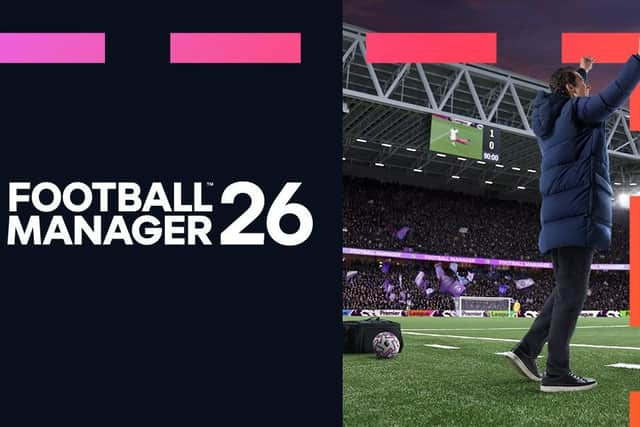
As for me, I have just downloaded Football Manager 2026, now rebuilt on the new engine. If you need me, I will be guiding Buxton from the sixth tier to improbable glory.
See you at 4.00 am.
David Richards is managing partner of Yorkshire AI Labs