
Why debate around The Great ADHD Myth? is missing the point: Mathew Sidebottom
Every week, people across West Yorkshire come to us because they’ve been waiting years for an ADHD assessment.
Some have been on an NHS list so long they’ve stopped expecting a letter to arrive. Others wonder whether their difficulties – at work, at home, in relationships – are taken seriously by anyone at all.
That’s the reality we see. Real people trying to get through their lives without answers, often for years longer than they should have to.
Channel 4’s recent documentary The Great ADHD Myth? questioned whether ADHD is a genuine condition, or something manufactured by phones, ultra-processed food and modern life. It raised an eyebrow or two among our team. Our reality looks a bit different.

Since it aired, there’s been plenty of debate about the programme’s framing and who did or didn’t get a voice in it. Clinicians, charities and people with ADHD have already said much of what needs saying. We don’t want to add another voice to the argument about the science.
We think the debate itself is missing the point. Even the documentary’s own presenter has said it: ‘There’s no doubt that the people seeking these diagnoses are genuinely struggling; that isn’t in question’. That bit tends to get lost.
The real story is the scale of unmet need, and nowhere is that clearer than right here. Local data shows thousands of adults across the region currently waiting for an ADHD assessment, with some services closed to new referrals altogether. At current capacity, some waits stretch well over a decade.
This isn’t about criticising the people delivering NHS ADHD services, who are working within stretched resources. What matters is being honest about how long the wait actually is, and making sure people are supported through it.
Some of these people won’t be assessed before they retire. That should be leading the news, not a documentary title with a question mark. Support shouldn’t wait
Someone on a waiting list still struggles with their symptoms while the argument rumbles on. Someone already diagnosed still has to manage their condition day to day, regardless of what anyone eventually decides about its causes. None of that pauses because people are arguing about a label on television.
Our view is straightforward: support shouldn’t be conditional on how that argument gets resolved. Watching a national broadcaster question whether your struggles are even real can make things harder for people who are waiting with uncertainty, wondering if anyone believes them.
That support doesn’t have to wait for a diagnosis either. Understanding what’s actually going on, practical strategies for getting through daily life, and simply being taken seriously all make a difference, whatever the eventual answer turns out to be.
Faster access to assessment, for a start. The need here isn’t a distant national statistic. It is thousands of people, in our own community, waiting years for answers. That’s not a dig at NHS staff either, who are trying to meet demand that’s far outstripped their resources. It’s an argument for more capacity everywhere, not just from services like ours.
Support should be available to someone whatever stage they’re at: years from the top of a list, unsure if they even want a formal diagnosis, or already diagnosed and working out what helps. People need that now, not once there’s consensus about the causes of ADHD.
ADHD’s legitimacy isn’t really in question among the people who study it. What we should be talking about is what we’re actually doing, as a health system and a society, for the hundreds of thousands of people living with ADHD.
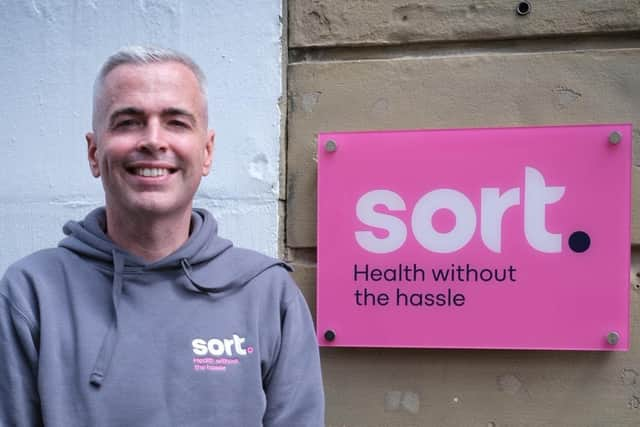
Mathew Sidebottom is MD of Sort Health, a profit-for-purpose adult ADHD assessment service.