
Why John Healey must hold his nerve on Capital Gains Tax: Paul Johnson
The Treasury’s dual role covers ensuring economic stability, which includes a responsible fiscal policy, along with a mandate to drive growth.
In practice the two missions work in tandem, which is why debates like the current one about whether the rate of capital gains tax (CGT) should increase can be so heated.
We need a tax system that rewards entrepreneurs who take risks and who will help grow the UK economy. Yet I fear meddling with the current CGT top rate of 24 per cent, as has been mooted for the Budget on October 28, could disincentivise the enterprise that drives growth and actually end up bringing in less revenue for the Treasury.
The briefings coming out of No 11 in recent days, encouragingly, suggest chancellor John Healey will hold his nerve and leave CGT untouched in his statement. Yet with reports of members of Andy Burnham’s inner circle pushing for a rate increase, nothing is guaranteed. This matters because I believe moving that higher rate of CGT closer to 45 per cent – the top rate of income tax – could have far reaching and harmful consequences at a time when the UK faces so many challenges.
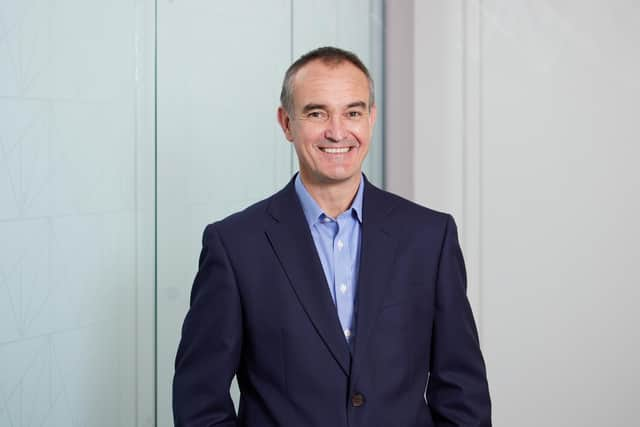

Over my 30 years as a corporate lawyer, I’ve seen the risks taken by entrepreneurs. I think it’s easy for people who don’t witness this to disregard what’s involved. When I speak to friends with stable, well-paid jobs a majority of them think CGT is just another way for fat cats to pay less tax. Often I reel off examples of clients who have worked far harder than most people have ever worked, remortgaged their homes and risked their pensions to build brilliant businesses that create high-quality jobs and who I think deserve to be incentivised.
Unfortunately, we seem to be making it harder and harder for entrepreneurs and taxing them at every step. It feels to me that we must be careful as we want successful sales of these types of businesses and we want entrepreneurs to want to reinvest in UK businesses.
I have had numerous conversations over the past few weeks with entrepreneurs who have implied or even said directly that they will instead simply invest abroad in countries where the tax system works in a fairer way. The world is an increasingly mobile place and so the focus must be on how we create an environment to keep them here.
While I’m not a tax specialist, there are other levers that could be pulled to promote long-term growth. Instead, for the past few years we’ve seen continuing uncertainty about CGT. We must build a system that incentivises investment and one that is designed so those who take risks and put the effort in are rewarded. While the current government seems to be looking at things like care with a longer-term lens, the need for growth is now.
Let’s hope that ministers, including a chancellor from our own county, understand where sustainable growth comes from and the importance of giving businesses a fair and stable tax framework. Taxes are levied directly on companies but also on the individuals who own those companies, so a fair regime that reflects the risks and effort entrepreneurs put in will generate growth as well as the longer-term tax revenue for the government to invest in the UK.
Paul Johnson is a partner and head of the Leeds office at Mills & Reeve