
Why the privatised water system is abject failure that only benefits shareholders: Greg Wright
During a period of profound political strife, one topic is bringing the nation together. Consumers are collectively sick to death of the terrible performance from our privatised water companies.

These companies are rightly facing a backlash from campaigners and the public over rising bills, executive bonuses, poor customer service, supply outages and pollution of rivers, lakes and seas.
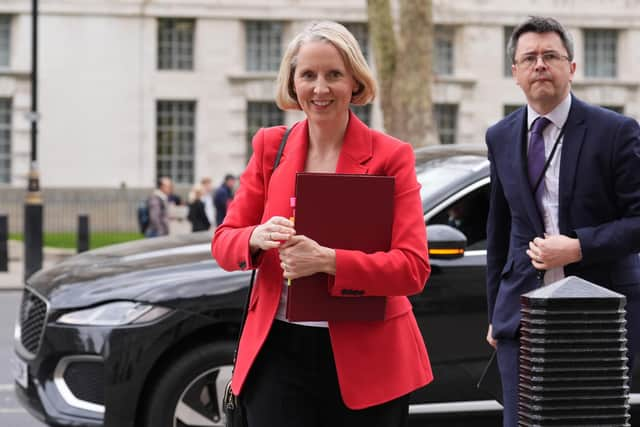
The fate of one of them is causing headaches at the heart of Government. Environment Secretary Emma Reynolds has warned that a £10 billion rescue bid for Thames Water poses an unfair cost to consumers. Ms Reynolds told the Commons she had written to regulator Ofwat to say that she did not believe the plan to relieve the stricken utility goes far enough to protect customers or the environment. She warned the deal, which Thames Water hopes to secure to stave off temporary nationalisation after being left close to collapse by nearly £20 billion of debt, could cause delays to vital infrastructure investments and environmental improvements.
The move is seen as casting doubts over the future of the deal, but Ms Reynolds insisted her views on the proposal “should not be taken as, nor do they constitute, a direction from Government to Ofwat”. The Thames Water saga has prompted renewed calls from environmentalists, public ownership campaigners and unions for the company, and the wider water sector, to be renationalised.

A recent report from the Public Services International Research Unit at the University of Greenwich concluded that England's privatised water industry is a failed system that only benefits shareholders.
The report – "The Privatised Water Industry in the UK: An ATM for Investors" – concluded that the 40 per cent real increase in English water bills since privatisation in 1991 had not been due to higher investment, but is a result of ever higher interest payments on £47 billion of debt, which has been accrued due to £50 billion paid in dividends to shareholders. Professor David Hall, of the University of Greenwich, said the report clearly shows that the high prices and high debts of the English water companies are not due to high investments. He said the £47 billion of debt, “and the interest we pay on it”, is simply down to a systematic extraction of shareholder payouts far in excess of any available cash surplus.
"This system is not sustainable and seriously disadvantages consumers,’’ he added. “The report further strengthens the case for taking water back into public ownership with strong democratic oversight, as in most European countries."
Things might change if, as widely predicted, we have a new Prime Minister before the end of the year. Dan Coatsworth, head of markets at AJ Bell, said there was speculation that Andy Burnham might put water and energy businesses under stronger public control if he wins the Makerfield by-election on Thursday and launches a successful bid to get into Number 10. He added: “The latest developments are unwelcome for an industry which has been making progress in cleaning up its act.” If Mr Burnham does become PM, he will certainly win plaudits if he can rid our rivers of sewage and bring the water company bosses to heel.
Greg Wright is the deputy business editor of The Yorkshire Post