
Yorkshire businesses with room to grow will have buyers in 2027: Nick Johnson
There is capital available to buy and invest in Yorkshire businesses. As we head into 2027, I expect the bigger constraint on deal activity to be the supply of businesses that can show a buyer how they will grow and who will lead that growth.
For owners considering a sale, investment or succession, that makes this a good time to start preparing, even if a deal is years away.
The economic pressures facing businesses are real, and borrowing costs still influence what buyers can pay and how they structure a deal.
Yet listed groups continue to look for acquisitions that give them capabilities or access to markets they would take years to develop themselves.

Private equity firms have capital to deploy, and traditional banks, challenger banks and specialist lenders give buyers and businesses several ways to finance a transaction.
We have seen strong activity in industrials and industrial services this year, and I expect that to continue in 2027.
Technology still attracts interest, although buyers are taking a closer look at how AI could affect individual business models.
That same shift is creating opportunities for skills and training businesses as employers work out what their people need to learn.
The transactions we have advised on in Yorkshire and the Humber this year show how different the right outcome can look.
Associated British Ports’ acquisition of Global Shipping Services brings a specialist Humber operator into a larger ports group.
At Yorkshire-based TEV, a buyout led by John Dobson put ownership in the hands of the management team.
At Leeds-based Nutral Solutions, investment from NEL helped the founders take full ownership and pursue their growth plans.
The first question I ask owners is what they want for themselves and the business.
Some want a clean exit, while others want to stay involved or retain a stake and share in future growth.
Being clear about those ambitions makes it easier to judge an offer in the round, including how much is paid upfront and what will be expected of the owner afterwards.
Then look at the business through a buyer’s eyes.
If the founder steps back, who can make the decisions, hold on to key customers and deliver the growth plan?
If the plan calls for more orders, can the business fulfil them with the people, production capacity and systems it has?
A buyer will want to see that growth can translate into cash, and evidence from the business will carry more weight than a forecast alone.
Closing those gaps takes time.
Giving managers more responsibility or investing in capacity can involve cost and disruption, but those decisions can also make the business stronger under its current owners.
The earlier shareholders do that work, the more choice they will have about when to go to market, who they deal with and what terms they are prepared to accept.
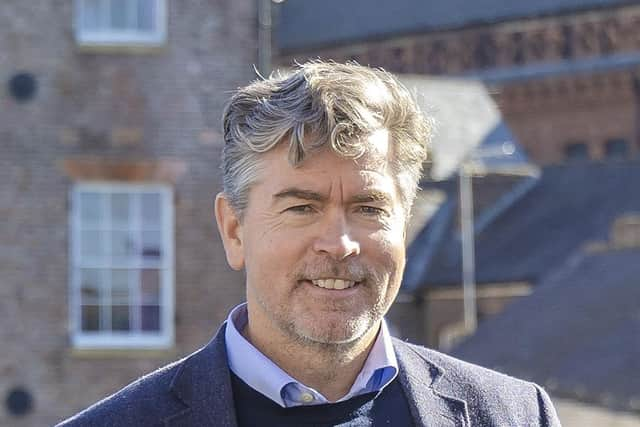
Nick Johnson is Corporate Finance Partner at RG Corporate Finance