
Watering techniques for arised vegetable gardens
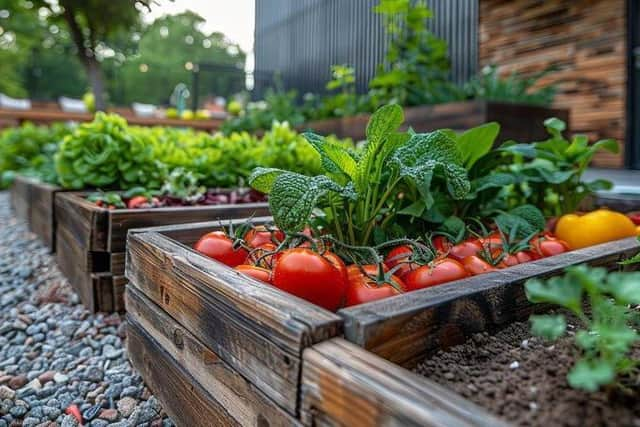
Raised vegetable gardens offer numerous benefits. They are an ideal choice for new and experienced gardeners. They provide better soil control, allowing customized soil mixes tailored to each plant. Additionally, raised beds improve drainage, reduce the risk of waterlogging and root rot, and offer easier planting, weeding, and harvesting access.
To ensure the success of a raised vegetable garden, one of the key factors to consider is proper watering. Watering techniques can greatly impact the health and productivity of your plants. Here’s an overview of some common watering methods:
Drip Irrigation
Drip irrigation is one of the most efficient and effective watering methods for raised vegetable gardens. Drip irrigation systems deliver water directly to the root zone of plants, minimizing evaporation and runoff. Here are the benefits and components of a drip irrigation system:

Benefits of Drip Irrigation
· Water Efficiency: Drip irrigation uses less water than overhead sprinklers because it directly targets the root zone.
· Reduced Evaporation: Water is delivered slowly and directly to the soil, reducing evaporation losses.
· Disease Prevention: Drip irrigation helps prevent fungal diseases that can thrive in moist environments by keeping foliage dry.
· Flexibility: Drip systems can be easily adjusted to meet the specific water requirements of different plants.
Components of a Drip Irrigation System
· Mainline Tubing: This is the primary conduit for water, usually made of polyethylene.
· Emitters: These devices release water at a controlled rate directly to the plant roots.
· Connectors and Fittings: These connect various parts of the system and direct water flow.
· Pressure Regulator: Ensures the water pressure is appropriate for the emitters to function correctly.
· Filter: Prevents debris from clogging the emitters.
Setting Up a Drip Irrigation System
· Planning: Start by planning the layout of your garden and determining how much water your plants need. Group plants with similar water requirements together.
· Installation: Place the mainline tubing along the rows of plants. Insert emitters at the base of each plant or at regular intervals for row crops.
· Connection: Connect the mainline tubing to a water source, such as a garden hose or a faucet. Install a pressure regulator and filter if needed.
· Testing: Turn on the system and check for leaks. Ensure each emitter is working correctly and adjust as necessary.
· Maintenance: Regularly inspect the system for clogs or damage. Clean filters and flush the system to remove debris.
Mulching
Mulching is another vital technique for maintaining a healthy raised vegetable garden. Mulch is a protective layer of material spread on top of the soil to keep moisture in, prevent weed growth, and regulate soil temperature. Here’s how mulching can benefit your garden and the types of mulch you can use:
Benefits of Mulching
· Moisture Retention: Mulch reduces evaporation, helping the soil retain moisture longer.
· Weed Suppression: By blocking sunlight, mulch inhibits the growth of weeds.
· Temperature Regulation: Mulch helps keep soil temperatures consistent, protecting the roots of the plants from extreme heat or cold.
· Soil Improvement: Organic mulches decompose over time and add important nutrients to the soil.
Types of Mulch
· Organic Mulch: Includes materials such as straw, grass clippings, leaves, wood chips, and compost. Organic mulch enhances soil structure and fertility as it decomposes.
· Inorganic Mulch: Includes materials such as plastic sheeting, landscape fabric, and gravel. Inorganic mulch is long-lasting and effective at weed suppression but does not improve soil fertility.
Applying Mulch
· Preparation: Weed the area thoroughly before applying mulch to prevent existing weeds from growing through.
· Application: Spread a layer of mulch 2 to 4 inches thick around the plants, ensuring not to cover the plant stems directly. Leave a small gap around each plant to prevent moisture buildup and rot.
· Maintenance: Replenish mulch as needed, especially after heavy rains or strong winds that can displace it. Turn organic mulch occasionally to prevent compaction and improve air circulation.
Additional Watering Tips for Raised Vegetable Gardens
· Water Early: Watering in the early morning reduces evaporation and allows plants to absorb moisture before the day's heat.
· Deep Watering: Infrequent deep watering encourages deep root growth. Shallow watering can weaken roots and increase susceptibility to drought.
· Monitor Soil Moisture: Stick your finger into the soil to check soil moisture. Water when the top inch feels dry.
Rainwater Harvesting: Consider using collected rainwater for your garden. Rain barrels can be connected to downspouts to capture and store rainwater.