
Alert as strain of bluetongue virus is discovered
Farmers have been urged to be on the alert after the first UK case in 17 years of the BTV-8 strain of bluetongue virus was detected in a sheep.

While the Animal and Plant Health Agency (APHA) has confirmed the case in Cornwall following reports of “suspicious clinical signs”, vets in Yorkshire said if the strain, which is spread by biting midges, got a foothold in the region it could spell disaster for many of the area’s estimated two million sheep.
The strain was first diagnosed in the UK in September 2007 and a vaccination roll-out the following year helped stop the spread of BTV-8.
Since July, there have been 78 confirmed cases in England of the BTV-3 strain of bluetongue, the symptoms of which include ulcers in the mouth and nose, excessive drooling, eye or nasal discharge, and swelling around the lips, tongue and head.

Over the summer the whole of England has been designated as a bluetongue restricted zone, meaning livestock can be moved within England without a licence or testing. Last week saw numerous cases of the BTV-3 strain detected, including in a bull in Greater Manchester and cattle in West Yorkshire and Derbyshire.
Vet Neil Roberts, director of Settle-based Dalehead Veterinary Group, said while bluetongue posed no risk to humans or food safety, there was a significant mortality for sheep that got infected, and the virus also affected cattle and other ruminants, such as deer and goats. He said bluetongue in a flock also could lead to many barren ewes or deformed lambs and the main effects on cattle appeared to be fertility oriented and reduced milk yields.
Mr Roberts, who has worked at the practice for more than 40 years, said: “It is a very serious disease. There are potentially very serious consequences of bluetongue running rampant across the countryside. The infection will only spread at times of year that midges are active.
"In 2023 there were a number of bluetongue cases in Belgium and Holland, and a year later a massive outbreak causing serious losses. Last year we had a number of cases of the bluetongue BTV-3 strain and the concern was this year could be disastrous if people didn’t take precautions.
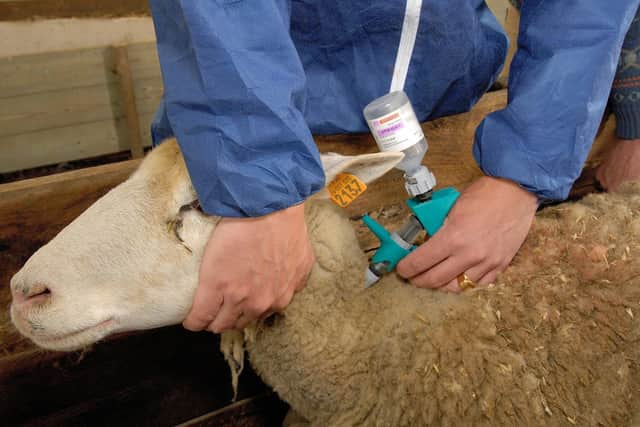
"The difference this year is that there are three vaccines that are available for the BTV-3 strain. About half of farmer clients have taken up the vaccine to protect their stock. In an ideal world everyone would take it up. The cost of vaccination is minimal compared to the economic consequences if the infection does get into a flock or a herd.
”The more time goes by the more hopeful you are that there’s not going to be a big flare-up because the midge activity will be becoming less.”
Outbreaks also trigger strict restrictions on animal movements, creating significant knock-on effects for farm businesses.
APHA has reminded farmers bluetongue is a notifiable disease and any suspicion must be reported without delay. Since July, the whole of England has been designated as a bluetongue restricted zone, meaning livestock can be moved within England without a licence or testing.