
Askham Bog, York: Appeal to save Yorkshire's 'cathedral of nature'
Yorkshire Wildlife Trust has launched an appeal to secure future of its longest standing reserve, which sits between the A64, the East Cost Main Line and the York outer ring road - on paper an unpromising site for nature.

President of the trust and naturalist Professor Alastair Fitter said once commonly viewed as waste ground, lowland bogs such as Askham Bog had been recognised as “incredibly precious places” that had become “vanishingly rare” habitats.
It is home to species such as willow tits and great-crested newts, more than 800 species of moth, ancient royal ferns, some of which are over 500 years old.
Alastair said: “Askham is an extraordinary survival – it is inside the ring road. The reserve is an exceptional part of Yorkshire's heritage, and urgently needs our support if it is to remain one of our wild crown jewels.

"On the old maps it used to be called Thorn Waste. It is the richest place for species for its size in Yorkshire. It has a third of all British moths, a quarter of British plants. These are remarkable proportions and it totally depends on it being wet."
Recent periods of heavy rainfall have seen the return of some species, like slender sedge, thought lost forever – helping the reserve to store more water could see more exciting returns like this.
"We have records going back into the 19th century. Things have disppeared because some of the wetter haabitats have gone and what we are trying to do is get it back to its former glory. It was once even more extraordinary, the water beetle fauna was famous and people came from all over Europe to see the place.”
While trying to keep the water table at the bog as high as possible, a series of plants, including the very distinctive pale sedge, which was last recorded there in 1879, and the slender sedge, last recorded there in the 1930s and only found in two other places in Yorkshire, have reappeared.
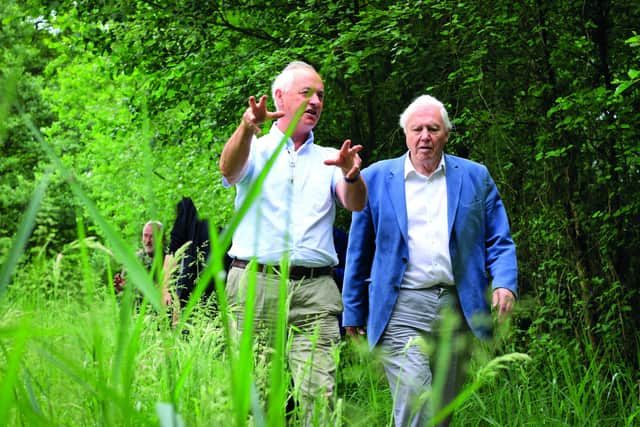
Alastair said: “The first and highest priority is to work and getting it wet. On the whole plants and insects are really good at recolonising if given the chance.”
The reserve’s manager Dave Powell said while it had become clear the reserve was facing a more immediate threat than others from climate change, as the reserve was just two miles from York city centre, the area surrounding the bog was facing pressure to be developed to meet housing objectives.
“If there’s land that is seen as viable next to Askham Bog then people will aalways attempt to do something with that. We have fought that off in the past and it will just keep coming back at us and there’s only a certain amount of times we can win that fight”, he said. “Askham Bog has survived because people chose to defend it. We hope communities will come together as they have done before to protect something irreplaceable.”
Dave said with much longer, drier summers as a pear bog Askham Bog faces the threat of drying out. He said: “It’s not like a sponge where we can re-wet it and it’s back to normal - it starts to decay and release carbon. Once you lose the peat the chemical composition of the site changes and everything that relies on the site changes.
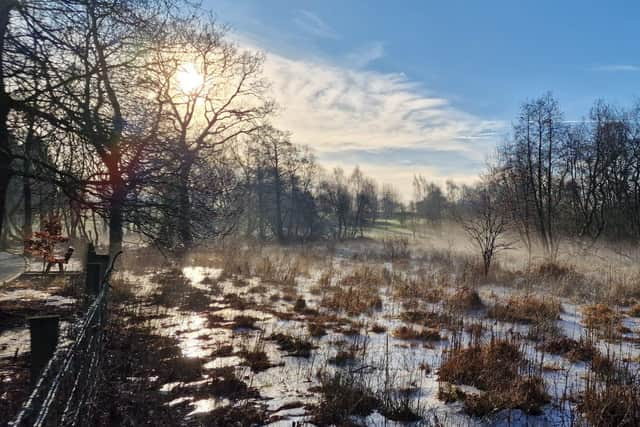
“It’s vital that we make Askham Bog boggier. Many of the reserve’s rarest species, particularly plants, thrive in wetter ground and we know the wildlife is there just waiting for an opportunity to flourish. Having well cared-for peat bogs doesn’t just benefit our wildlife, it benefits us too. Our peat bogs are brilliant at holding on to water during flooding events, and a healthier Askham Bog will retain more water to help prevent flooding in York over the autumn and winter.”
The trust is hoping to raise money for an Askham Bog Protection Fund, which will fund work over the next five years to help the Bog to remain wet; such as creating small dams, a tilting weir and new ponds for species like great-crested newts. They are also hoping to more actively manage scrub on-site, reducing the pressure vegetation places on water resources and the peat base.
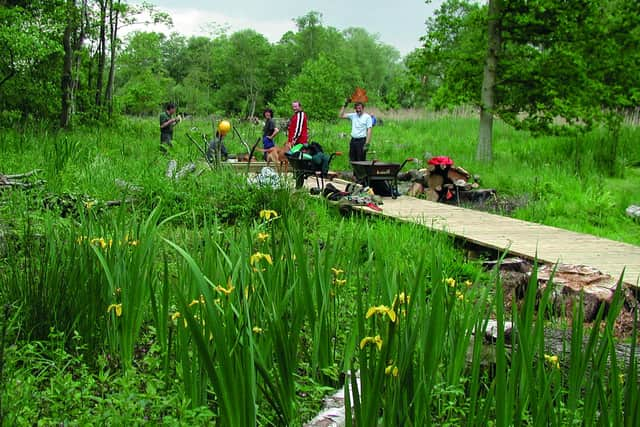
The work is being carried out in Yorkshire Wildlife Trust’s 80th anniversary year, and Askham Bog has now closed to allow for vital renovations to the boardwalk and visitor infrastructure. The trust is working with contractors to replace the existing boardwalk with sustainably-sourced materials that have better longevity and durability, to improve the route layout to manage visitor flow, and to create wider sections and smoother surfacing for improved accessibility. The trust hopes to reopen the bog in the summer.