
Bid to level out ravine on grazing land in Yorkshire to keep animals safe
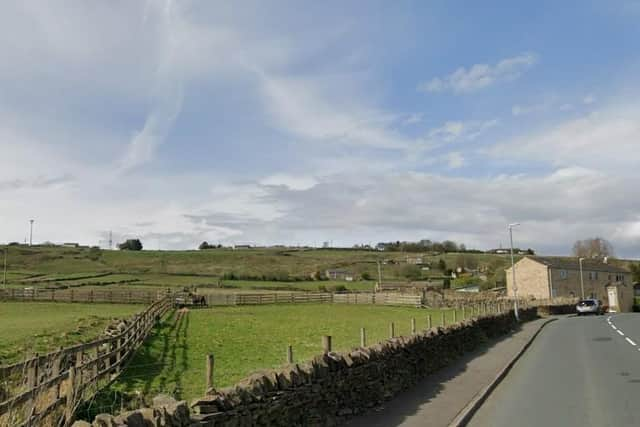
A steep ravine makes a piece of farming land dangerous for animals to graze safely at a Halifax farm, planners are told.
Animals have got into difficulty because of the topography which also makes it difficult for agricultural workers to get to them at the Bradshaw Lane, Bradshaw, Halifax, site.
Calderdale Council planners largely agree – but they will still need more details about how work to level these out will be carried out before giving the seal of approval.
Mr S. Batty applied to Calderdale seeking permission to re-grade and level the existing grazing land to remove these dangers.

Among animals the the site are nine alpacas and the farm team are currently engaged in an initiative to walk these with disabled and disadvantaged children, a project in association with Labour councillor for Bradford South, Mr Andrew Walsh, according to a supporting letter from surveyors Michael Denton Associates.
The re-grading work would use existing soil from within the site to create a usable area to accommodate livestock, planners were told.
They did not disagree, but need to know more, given proximity to a public right of way and the fact the land is in the green belt – that means prior approval must be given by the council before work will be allowed.
Planning officers said: “Sufficient information has been provided to show the development is reasonably necessary for the purposes of agriculture.
“However, it is considered that prior approval is required to assess the siting, design and appearance of the proposed engineering operations due to the potential impact on the public right of way to the south of the site and the potential impact on the openness of the Green Belt,” they said.
Michael Denton Associates say as well as the alpacas, the farm has sheep and expects to have some horses.
The supporting letter says: “The works to the paddock are required to cut and fill the steep ravine that exists across the site, the animals have got into difficulties due to this topography so these works are essential to allow the continued use of the land for grazing.
“The works will comprise of the cut and fill of the original ravine that runs across the site and no materials will be imported onto the site,” says the supporting letter.
In essence, the planners want to see more details about how the work is going to be carried out and how it will appear when completed.
“Further information is required in order that a satisfactory finished appearance of the site is provided,” they say.