
Bird flu discovered at Yorkshire turkey farms just weeks before Christmas
Bird flu has been discovered at two turkey farms in Yorkshire just weeks before Christmas.
The discovery was made at two commercial turkey farms near Thirsk and Northallerton. Protection and surveillance zones are in place around the farms, with restrictions on moving birds and extra measures to stop the disease spreading.
The UK Health Security Agency says the risk to the public remains very low. Properly cooked poultry, poultry products and eggs are safe to eat.
A nationwide Avian Influenza Prevention Zone remains in place, and all bird keepers must follow strict biosecurity measures to prevent the disease spreading, it said.
Housing rules apply to flocks of 50 birds or more, and to smaller flocks if poultry or eggs are supplied to people outside the keeper’s household.
Coun Richard Foster, whose responsibilities include environmental health at North Yorkshire Council, said: “These measures are vital to protect birds across North Yorkshire.
“Avian influenza can have a devastating impact on both commercial and small-scale bird keepers, and we urge everyone to follow the requirements, maintain good biosecurity and ensure their birds are registered.”
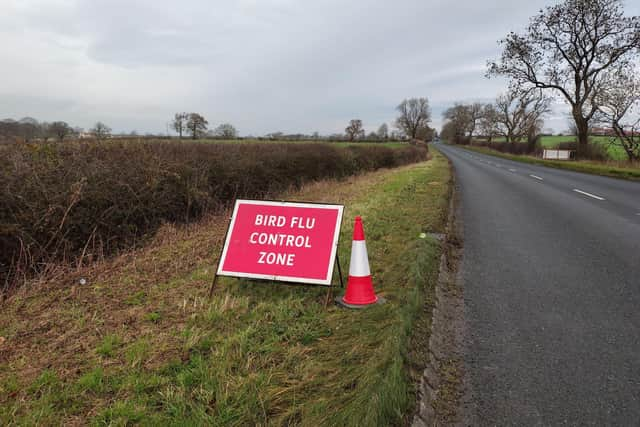

Bird keepers should check their flocks for signs of disease and contact a vet immediately if birds become unwell.
Coun Foster added: “Whether you keep thousands of birds or just a few hens at home, everyone has a role to play in preventing the spread of disease.
“By following the housing and biosecurity requirements, we can help protect our poultry sector, rural communities and local businesses while keeping North Yorkshire free from further spread of the disease.”
North Yorkshire Council’s director of public health, Louise Wallace, said bird flu infections in people are rare and the risk to the public remains very low.
She said: “However, avian influenza can be serious, and residents are advised to follow national guidance by not touching sick or dead wild birds, avoiding contact with feathers or droppings and washing your hands thoroughly if contact cannot be avoided to help reduce any risk.
“We are working closely with partners, including the UK Health Security Agency, the Animal and Plant Health Agency and Defra, to monitor the situation and provide advice to protect both public and animal health.”
If you suspect bird flu in kept birds, you must report it immediately to the Animal and Plant Health Agency (APHA) on 03000 200 301.
Registering your birds is a legal requirement. If you keep poultry or captive birds and have not registered, do so as soon as possible at www.gov.uk/government/collections/register-as-a-bird-keeper.
Do not touch sick or dead wild birds. You can report dead wild birds on 03459 33 55 77 or online.
For more information about bird flu, visit www.gov.uk/guidance/bird-flu-avian-influenza-latest-situation-in-england.