
Birdwatching: Full moon and woodcocks are on their way
The first full moon of this month is a traditional time for the arrival here of migrating woodcocks.
Britain has its own largely sedentary breeding population of woodcocks but this month numbers are massively boosted by the annual influx of others from Russia, the Baltic States and Scandinavia.
Each year around three million of these plump snipe-like birds come here to escape the snow and ice of their home countries,
The timing of their movements depends a great deal on the prevailing weather in their northern breeding range.

An early onset of winter frosts will cause woodcocks to move south westwards earlier than usual while an unusually mild autumn of the type we are experiencing in recent years will have a delaying effect.
Sometimes woodcocks can be seen arriving all along the east coast in what is known as a 'fall' before promptly vanishing into the wider countryside.
Goldcrests tend to arrive at the same time and there is the charming claim that these tiny birds manage to cross the North Sea by hitching a lift on the back of woodcocks- sadly not true.
Once here the newly arrived woodcocks explore winter territories, often in fairly dry deciduous woodlands with damp clear ground nearby for feeding.
The best view most people get of one is when it flies up from the woodland floor
and zig zags away through the trees before coming down again in dense foliage.
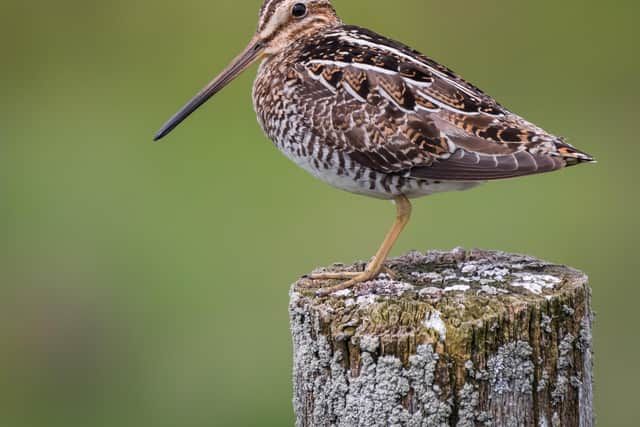
They are beautifully camouflaged with barred and patterned plumage and spend much of the day motionless, only coming out to feed as darkness falls.
An exception to this is during a sudden cold snap when woodcocks might be seen out in the open on garden lawns, especially near the east coast, in a desperate search for invertebrate food.
Woodcocks can also turn up in city centres at night when, confused by the bright office lighting, they crash into buildings which usually proves fatal.
They also fall victim to peregrine falcons living in our city centres and, because of the lighting, now able to hunt at night.
Examination of the remains below peregrine falcon perches reveals that woodcocks make up a significant part of their diet.
Other sightings in the region include five Glossy ibis at The Outstrays reserve, East Yorkshire and another one at the St Aidans nature park, Leeds.
Firecrests were reported at Spurn and Flamborough and there were more sightings of snow and Lapland buntings.