
'Blocked at every turn' - Farming business closures hit an all-time high due to 'Labour's disastrous tax policies'
Agricultural business closures have hit an all-time high, according to new data from the Office for National Statistics, triggering a wave of calls for urgent government intervention.

In the year to June, a record 6,365 enterprises in the agriculture, forestry, and fishing sector ceased trading, the highest number since the ONS started to track quarterly figures in 2017.
The first quarter of 2025 saw 1,890 agricultural businesses shut while just 805 new ones were launched.
Senior Conservatives responded to the figures saying the sharp decline coincided with chancellor Rachel Reeves’ inheritance tax proposals for family farms.
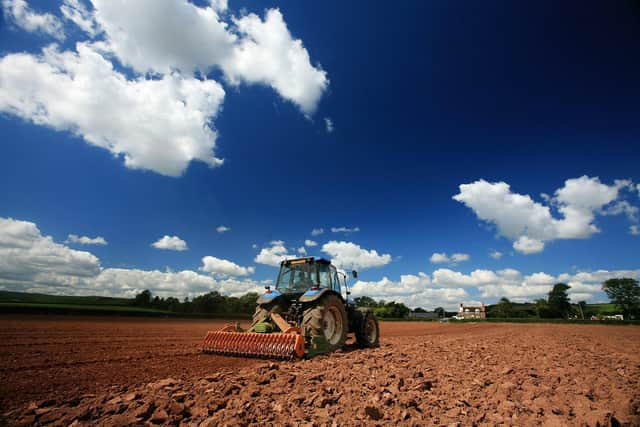

Shadow Environment Secretary Victoria Atkins said the record closures showed that “abour’s disastrous tax policies are crippling British family farms”.
The figures come as farmers and other rural businesses which support them grapple with spiralling costs, labour shortages and uncertainty surrounding Government policy.
They also follow a study commissioned by York and North Yorkshire’s Labour Mayor David Skaith revealing more than half of all farms in York and North Yorkshire are not making a sustainable profit.
Many of the nearly 7,000 commercial farms currently rely on income generated off-farm to stay afloat, according to the study.
A survey of 104 farmers in the region conducted for the report indicated low confidence in the future of farming, with only 31 per cent expressing confidence.
A significant majority noted considerable financial changes over the past five years, primarily attributing this to the reduction in Basic Payments, followed by higher costs and increased business and weather volatility. The biggest challenges cited were regulatory and policy changes, particularly the proposed changes to Inheritance Tax, and a general lack of government understanding, support, and certainty. Farmers expressed a desire for consistent, long-term support and funding for farming, including agri-environment schemes.
A survey by the Yorkshire Agricultural Society, which included over 400 farmer responses, painted a similar picture, showing growing anxiety about financial security and wellbeing. It found that 65 per cent of farmers are worried about the future of their farm business, and only 30 per cent felt confident about the financial outlook over the next year.
Victoria Vyvyan, president of the Country Land and Business Association, said the figures lay bare a crisis that ministers had declined to address. This report says what ministers won’t: rural businesses are being pushed to the edge,” she said. “Farmers trying to modernise or diversify are blocked at every turn - by red tape, by tax burdens, by a government that talks about growth while pulling the foundations out from beneath it."
Ms Vyvyan said perseverance alone would not prevent long-term structural decline. “Grit isn’t a strategy. What’s needed is stability, clarity, and a government willing to listen - before more farms are lost and more families are forced out.”