
Brontë country wind farm: MPs urge government to block Saudi-backed scheme over peat impact
The ruined farmhouse on top of the moor is said to have inspired the novel by Emily Brontë, which shot to prominence again earlier this year with Emerald Fennell’s movie adaptation starring Jacob Elordi and Margot Robbie.

MPs from both major parties in Yorkshire have urged the Government to block Saudi-backed plans to build one of the country’s biggest windfarms on the wild moorland that was the inspiration for Wuthering Heights.
Walshaw Moor, near Halifax in West Yorkshire, is designated as a Special Area of Conservation and a Special Protection Area due to its rare peatland habitat and red-listed bird species, including curlews, lapwings, skylarks, merlins, and golden plovers.
The ruined farmhouse on top of the moor is said to have inspired the novel by Emily Brontë, which shot to prominence again earlier this year with Emerald Fennell’s movie adaptation starring Jacob Elordi and Margot Robbie.
Despite its legal protections, the developers are pushing ahead with plans to build 34 wind turbines – at 200m more than 40m higher than the Blackpool Tower – and a battery energy storage system.
A string of in-person consultation events over Calderdale Energy Park’s proposals are being held before the Wednesday, June 10, deadline.
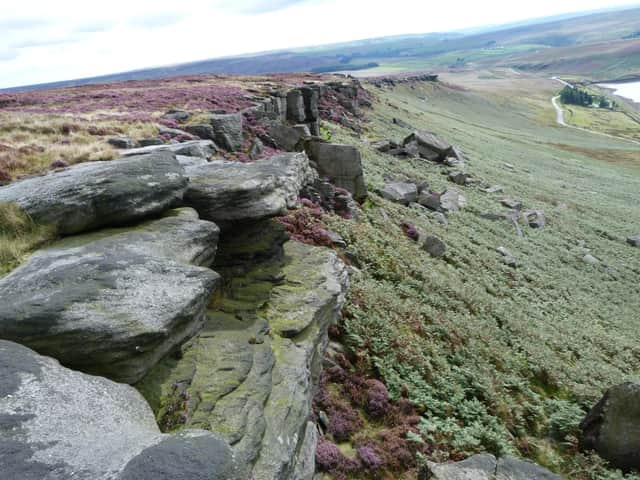

MPs from Labour and the Conservatives have objected to the project, highlighting the fact that the scheme would cover more than 2,300 hectares of protected peatland, one of the UK’s most important natural carbon stores.
Leading a debate in Westminster Hall, Keighley and Ilkley MP Robbie Moore said: “Healthy peatlands absorb carbon … but if peatland is damaged, which is unavoidable with major infrastructure projects such as wind farms, it can release carbon back into the atmosphere.”
The Tory also raised serious concerns about flooding, saying: “Disturbing it… will increase flood risk and damage water quality in Calder Valley towns and surrounding communities.”
Mr Moore also warned of risks to protected bird species including curlew, lapwing, golden plover and merlin, as well as the long-term impact on tourism and the local economy.
He added: “This is also about the damage this windfarm will do to our heritage and the hundreds of local businesses that benefit from this world-famous landscape.”

Calderdale’s Labour MP Josh Fenton-Glynn also spoke against the plans, warning on the impact of the peatland carbon sink.
“The more we learn about peat and its role in absorbing carbon, the clearer it is that building on peat will do more harm than good,” he explained.
“Peatland covers just 3 per cent of the world’s land surface but stores around 30 per cent of its soil carbon.
“Disturbing peat by building wind farms risks releasing that stored carbon, likely cancelling the carbon saved through wind farms, particularly bearing in mind that these wind turbines have just a 25-year lifespan.”
Halifax MP Kate Dearden added: “It’s vital we get the balance right – acting to invest and create renewable and cheap energy, whilst also taking care of our special environments in the UK, including peatland.”
Industry Minister Chris McDonald responded by saying: “Recent events in the Middle East have reinforced the importance of producing home-grown clean energy.
“Delivering our clean power mission will help to boost Britain’s energy independence, protect bill payers, support high-skilled jobs and tackle the climate crisis.
“Onshore wind is a critical component to delivering those goals.”
Christian Egal, project director at Calderdale Energy Park, said: “We understand the concerns that have been raised about development on peatland and the potential implications for flooding at Walshaw Moor, and these issues are being taken very seriously.
“Our greenhouse gas assessment shows that Calderdale Energy Park would deliver a significant net reduction in emissions, compared with electricity generated from fossil fuels.
“Over its operational lifetime, the project is expected to avoid around three million tonnes of carbon dioxide compared with electricity generated from fossil fuels.”