
Cautious welcome for proposals to boost number of wildlife supporting farms
Yorkshire conservationists have given a cautious welcome to government plans to double the proportion of farms meeting its wildlife-support criteria to 42 per cent over the next three years.

Under environmental objectives published by Defra, the plans outline how agriculture is expected to contribute to improvements in biodiversity, soil health, hedgerows and water quality.
Under the wildlife objective, farms must have a combination of eligible environmental scheme actions covering at least seven per cent of their agricultural area to count towards the target.
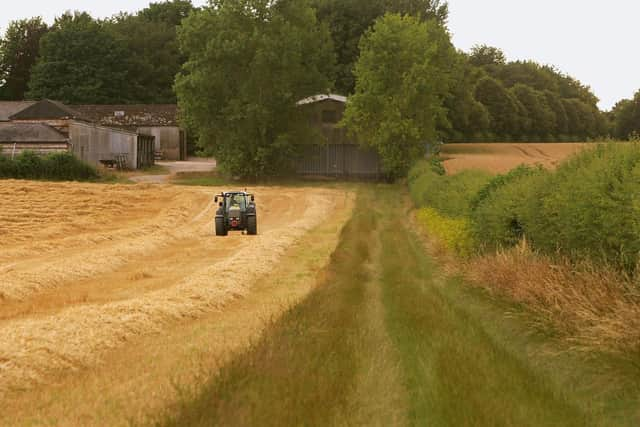

Defra said the measures must provide year-round resources for farmland birds, pollinators and other wildlife, including summer food, nesting and shelter, and winter food.
Qualifying activities include pollen and nectar mixes, flower-rich margins, overwintered stubble and designated areas for farmland birds.
The proposals are being viewed as particularly important in Yorkshire, nearly three-quarters of which is under agricultural management, rising to 81 per cent in East Yorkshire and 79 per cent in North Yorkshire.
Studies have found of the 38,500km of hedgerows across Yorkshire, many of which are in poor condition, 65 per cent are less than three metres in height, and many are thin, fragmented and lack structural diversity.
The region also has 6,500km of streams, rivers and canals, many of which border agricultural land.
Research published this week by The Wildlife Trusts estimates at least £3.8bn is needed to meet England's environmental farming priorities, suggesting a shortfall of about £2.15bn.
Vicki Hird, strategic lead of agriculture at The Wildlife Trusts, said mounting financial and environmental pressures were threatening the future of farming businesses.
The warning follows the closure of the latest Sustainable Farming Incentive (SFI) application window in September, when an initial £233m budget was exhausted in less than six hours. The allocation was later increased to £253m.
The scheme’s closure triggered widespread condemnation and left many of the region’s farmers unable to secure support for planned environmental improvements.
Defra said it would measure progress through qualifying activities recorded in live SFI and Countryside Stewardship agreements.
Rachael Bice, chief executive of Yorkshire Wildlife Trust, said while the trust welcomed the government’s ambition, it needed to be supported by long-term, designated funding for local farmers and landowners to ensure it is viable.
She said: “We desperately need a multifunctional landscape that offers support for our wildlife and has resilience for our changing climate built in.
“Farmers are some of the first to be impacted by extreme events like drought and flood, and there are many nature-positive solutions that will benefit local wildlife and our ability to produce food. From our river restoration, natural flood management projects and grazing initiatives, we know that the vast majority of farmers and landowners are deeply connected to and care for their local wildlife.”