
Climate change putting huge pressure on harvest yields
A West Yorkshire farmer has underlined how the growing unpredictability of seasons is creating huge pressure on agricultural enterprises as a study revealed this year saw the country’s second-worst cereals and oilseeds harvest on record.

Defra figures show three of the worst harvests on record have happened in the last ten years as Yorkshire remains in drought after becoming England’s second region to face water shortage measures in June, following the driest spring in 132 years.
The resulting yields for wheat, barley, oats and oilseed rape were well below earlier estimates, according to analysis by the Energy and Climate Intelligence Unit (ECIU).
While the Agriculture and Horticulture Development Board forecast yields of 7.6 tonnes per hectare for wheat, 6.7 tonnes for winter barley, 5.8 tonnes for spring barley, 5.2 tonnes for oats and 3.7 tonnes for oilseed rape, Defra has found yields to be lower than those estimates.

Government officials said the yields realised were 7.0 tonnes for wheat, 6.5 tonnes for winter barley, 5.0 tonnes for spring barley, 4.6 tonnes for oats and 3.5 tonnes for oilseed rape.
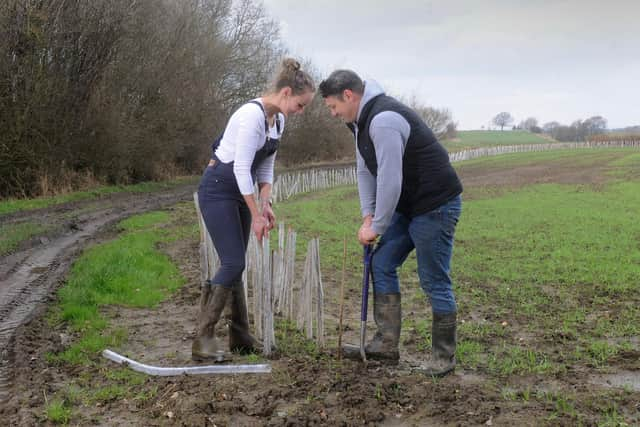
Chad Stevens, who farms a 200-acre holding between Wakefield and Pontefract, said: “Our crops are parched - there’s been so little rain this year, yet last year everything was waterlogged. We’re seeing both drought and saturation within a short space of time.”
The Royal Meteorological Society’s most recent State of the UK Climate report found the UK is warming rapidly. The last three years were among the hottest on record, and 2024 the fourth warmest since 1884. Recent decades have seen extreme temperature days double or more, with 2024 delivering the warmest spring and May on record.
Mr Stevens, who has run Horncastle Farm with his wife Lucy for ten years, said: “Every day at work is a gamble – and lately, the odds have been getting worse.”
While they keep 60 sheep, 60 chickens and 13 cows, most of their income comes from arable crops such as wheat and barley. In 2023, they diversified into pick-your-own pumpkins, hoping to offset losses from poor harvests, but both years so far have been defined by extreme weather at opposite ends of the spectrum.
In 2023 the farm’s harvest was impacted by drought and heat. Mr Stevens said: “We grew about 3,000 pumpkins on one acre, but only ended up with around 200. We planted them in May after weeks of scorching weather with no rain, so they never got established. Because the roots didn’t set, deer pulled whole plants out.”
However, last year saw Horncastle Farm's harvest hit by waterlogging. The farm has heavy clay soils, making it more vulnerable to inundations. Mr Stevens said: “It was the opposite problem last year. The ground was so saturated in May that we couldn’t plant when we wanted to — one of our tractors even got stuck. We had to wait until June. We got around 3,000 pumpkins, but they were smaller, eight inches across instead of 12 to 14, and fewer per plant, about three instead of five.”
Nevertheless, he said it was too early to decide whether to continue with pumpkins. Mr Stevens said: “We’ll probably take a five-year average before deciding if it’s worth it or a disaster.”
He said increasingly unpredictable seasons were creating a huge pressure on farmers. Mr Stevens said: “Lucy’s grandad used to say he didn’t gamble because every day at work was a gamble. Climate change doesn’t keep me awake at night, but I question every decision. Summers are getting longer and drier, autumns wetter and longer, and winters bring their own problems.”